




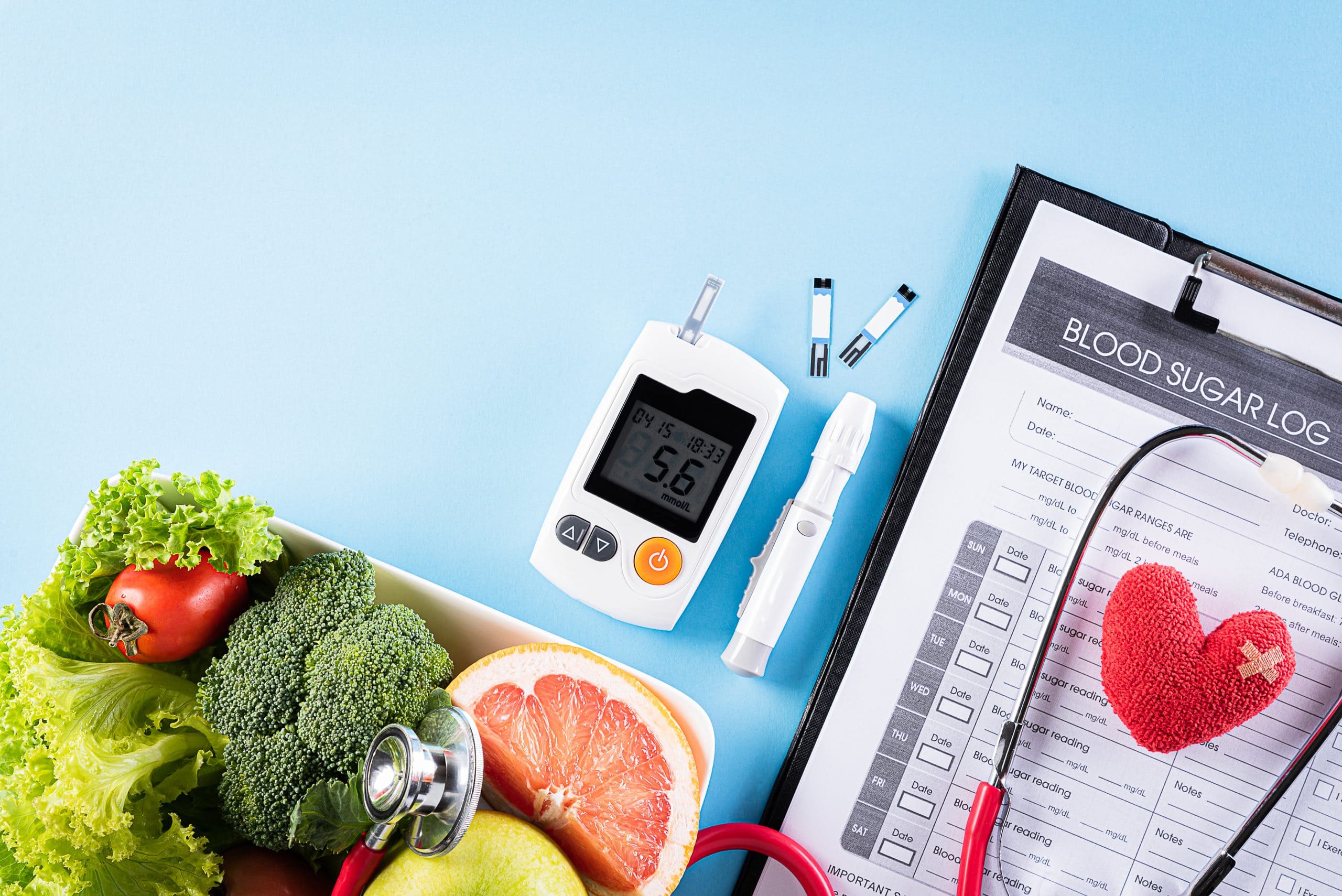
Learn about chest pain, common heart disease symptoms, and various diagnostic methods including lab tests and cardiac imaging. Understand how to protect your heart health.
Chest Pain: Heart Disease Warning Sign or Just Overthinking?
Heart disease is a broad term for a group of conditions that affect the heart. Heart disease comes in many forms, for example:
- Coronary Artery Disease
- Valvular Heart Disease (stenosis or regurgitation)
- Cardiomyopathy
- Arrhythmia is another broad term for a group of conditions. It requires diagnosis from an electrocardiogram. The risks of each condition are different.
- Heart Failure is a condition, not a disease. Heart failure can be caused by various factors related to the diseases mentioned above in points 1-4. In essence, various heart diseases can eventually cause the heart to work poorly and fail to pump blood effectively to the body. Heart failure is a final outcome of various chronic diseases if they are not well-controlled.
This section will discuss the most common symptoms of heart disease: symptoms of coronary artery disease that lead to myocardial ischemia. This often makes many people think of “chest pain.”
What is Chest Pain?
Chest pain refers to any discomfort in the chest area, which can be caused by many factors. The first thing we should understand is that chest pain does not equal heart disease. Chest pain can be caused by skin infections like shingles, inflammation of the underlying muscles or cartilage, or inflammation of the pleura or pericardium. Therefore, chest pain is only one of the symptoms of myocardial ischemia. Chest pain that is consistent with ischemic heart disease feels tight, heavy, or pressing. It may radiate to the jaw or spread to the back, shoulder blades, or arms. Therefore, the patient’s history and the characteristics of the pain are what help doctors differentiate between diseases. If you can describe your symptoms to the doctor well, it will help make the diagnosis easier, faster, and more accurate.
In addition, a group of symptoms that are important to know because they are often found with ischemic heart disease are:
The symptoms of heart failure, which is the end stage of myocardial infarction. If we do not treat it in time, the heart, which acts as the body’s pump, will not be able to pump effectively. The symptoms are as follows:
- Easy fatigue during exertion, inability to work, or shortness of breath (from what you were previously able to do). Some people may also feel faint or have palpitations.
- Symptoms of pulmonary edema, which include waking up at night due to shortness of breath or feeling out of breath, but getting better when you stand up or walk. In severe cases, you may not be able to lie flat and have to sleep with your head elevated using many pillows, or eventually have to sit up to sleep.
- Other symptoms of fluid overload include swollen legs and feet, a bloated feeling in the stomach from an enlarged liver, or loss of appetite.
Methods for Heart Disease Diagnosis
The best way is to undergo a cardiac health check-up with a specialist, who will use accurate diagnostic methods and tools for a precise diagnosis of disease risk. The methods are divided into:
Initial Examination
- Detailed history taking of symptoms that may be related to heart disease. Observing symptoms and providing a correct and clear history will help in making a more accurate diagnosis.
- Initial physical examination by observation: seeing, listening, feeling, and tapping.
Laboratory Investigation
This involves testing blood or other body fluids to assess health, confirm a diagnosis, or monitor treatment. Cardiac diagnosis and screening from lab tests are divided as follows:
- Basic Lab: General basic tests to find risk factors for heart disease and to check for co-morbidities that may affect treatment, such as blood sugar levels (for diabetes), blood lipid levels (e.g., LDL (bad cholesterol), triglycerides, and HDL (good cholesterol), etc.), creatinine levels, uric acid, and to assess kidney function.
- Cardiac Biomarkers: Biochemical analysis of substances in the blood to help diagnose myocardial infarction or heart failure, such as HS-Cardiac Troponin, NT-proBNP.
- ECG (Electrocardiography): Measures the heart’s electrical activity to create a graph, showing the relationship of electrical conduction within the heart. It helps diagnose arrhythmias, as well as other abnormalities in the cardiovascular system such as myocardial ischemia, pericarditis, and abnormal myocardial thickness.
In addition, we can attach an ECG to a patient while they are exercising, such as on a treadmill or stationary bike, to initially screen for coronary artery disease. This is called an Exercise Stress Test (EST).
And in some hospitals, there is technology that can measure the amount of oxygen (O2) and carbon dioxide (CO2) during exercise along with an ECG. This helps in making a more accurate diagnosis, provides additional information to assess physical fitness, and can be used to monitor overall heart, lung, and muscle health each year. This is called a CPET (Cardiopulmonary Exercise Test).
- Cardiac Imaging: Diagnostic methods using images of the heart.
-
- Chest X-Ray
- Echocardiography
- Coronary Artery Calcium Score
- Coronary CTA
- Cardiac MRI
However, the different types of tests will depend on the patient’s symptoms and what condition is suspected. They can also be used to predict the prognosis of the disease.
If I have no symptoms, do I need a heart health check-up?
Regardless of whether you have the symptoms mentioned above, you should have regular heart health check-ups. This is because some types of heart disease are preventable. Additionally, some types of heart disease do not show symptoms or have unclear symptoms. If you don’t get checked, you may not know you have the disease, and by the time you do, it may be too late.
You can check the details of the heart and vascular disease risk screening program.
With special promotions, click https://bit.ly/3DmNly3

Find a specialist at the Heart Center or Heart Failure Center at a Synphaet Hospital branch near you.
(Click link to make an appointment with a specialist)