




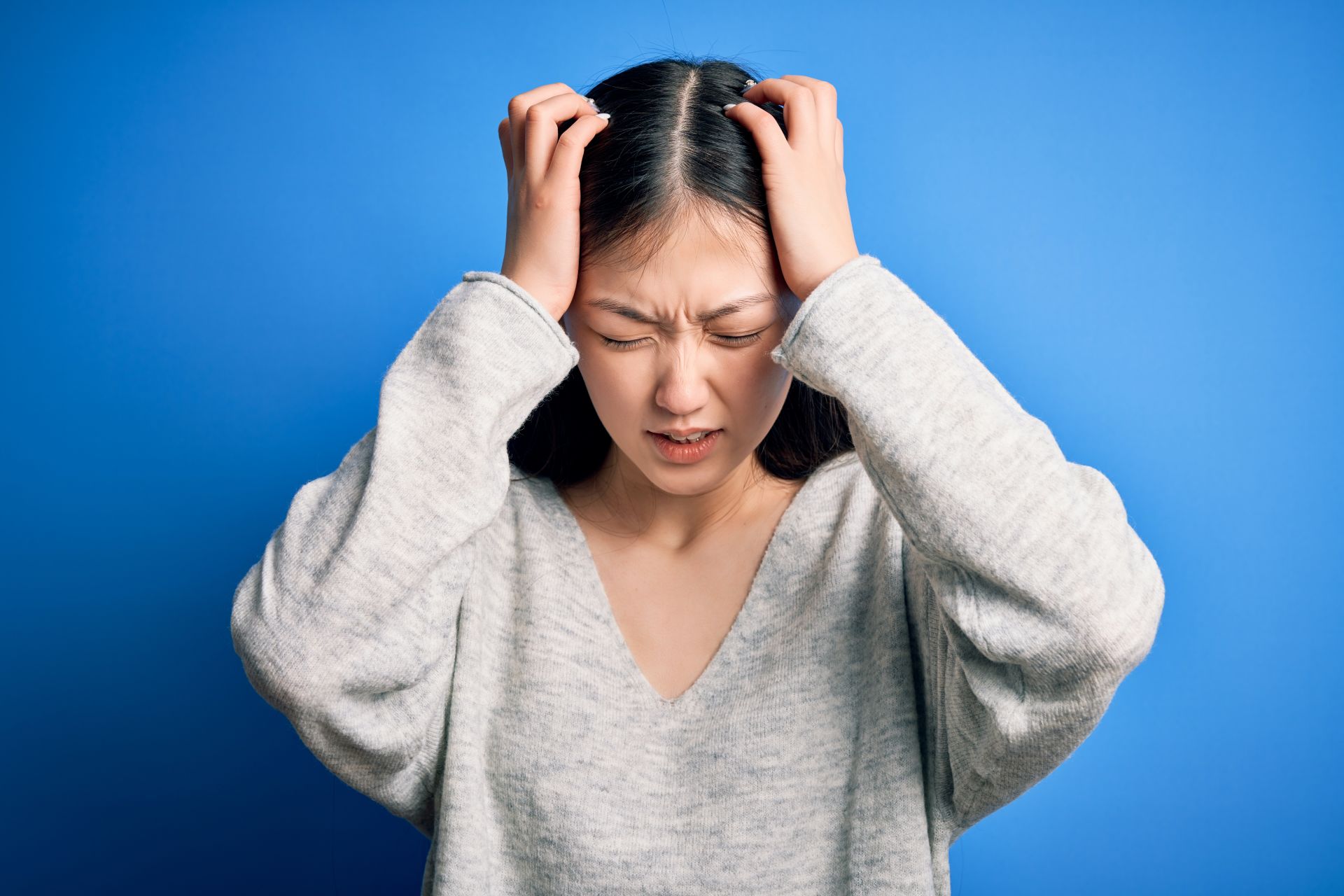
Generalized Anxiety Disorder (GAD): A Chronic Mental Health Condition Lasting at Least 6 Months
It involves excessive, uncontrollable worry that significantly affects daily activities such as work, study, or relationships.
What Are the Symptoms of Generalized Anxiety Disorder?
GAD symptoms fall into 3 categories:
1. Cognitive Symptoms
- Constant worry about health, work, finances, or family without a clear reason
- Overthinking and imagining worst-case scenarios
- Inability to control anxious thoughts
2. Physical Symptoms
- Headaches, muscle tension
- Insomnia
- Rapid heartbeat, sweating, cold hands and feet
- Stomach pain, diarrhea, nausea
- Fatigue
3. Behavioral Symptoms
- Avoiding anxiety-triggering situations
- Lack of focus, unfinished tasks
- Restlessness, irritability
What Causes Generalized Anxiety Disorder?
GAD results from a combination of factors:
1. Biological Factors
- Neurochemical imbalances (GABA, serotonin, norepinephrine)
- Genetics — family history of anxiety or mental illness
2. Psychological and Environmental Factors
- Childhood trauma or loss
- Low self-confidence, anxious personality
- Chronic stress from family, finances, or work
3. Other Factors
- Substance or alcohol use
- Medical conditions like thyroid or heart disease
How Is Generalized Anxiety Disorder Diagnosed?
Doctors evaluate symptoms based on DSM-5 criteria, which include:
1. Excessive worry about multiple areas of life occurring most days for at least 6 months
2. Difficulty controlling the worry
3. At least 3 of the following 6 symptoms:
- Restlessness or feeling on edge
- Fatigue
- Difficulty concentrating
- Irritability
- Muscle tension or body aches
- Sleep disturbances
4. Symptoms cause distress or disrupt daily life
5. Not due to substance use or medical condition
6. Not better explained by another mental illness such as OCD or panic disorder
How Is Generalized Anxiety Disorder Treated?
1. Psychotherapy
- Cognitive Behavioral Therapy (CBT): Restructuring negative thoughts and behaviors
- Relaxation techniques such as mindfulness or meditation
2. Medications
- Antidepressants (SSRIs/SNRIs): e.g., sertraline, escitalopram, venlafaxine, duloxetine
- Anxiolytics (Benzodiazepines): For short-term acute symptoms
3. Self-care and lifestyle adjustments
- Regular physical exercise
- Adequate sleep
- Avoid caffeine, alcohol, and stimulants
- Breathing and muscle relaxation techniques
What Are the Complications of Untreated GAD?
Without proper treatment, GAD may lead to:
- Depression
- Sleep disorders
- Physical health issues like hypertension, ulcers, or IBS
With the right treatment, most patients improve significantly. However, recurrence can occur during future stress. Ongoing self-care is essential to reduce relapse risk.