





What Is Shingles and Who Is at Risk?
What is Shingles?
Shingles (Herpes Zoster) is a viral disease caused by the varicella-zoster virus—the same virus responsible for chickenpox. After recovering from chickenpox, the virus remains dormant in the body’s nerve tissue and can reactivate years later when the immune system weakens, leading to inflammation of the nerves and the onset of shingles.
Who Is at Risk?
- Older adults
- People with weakened immune systems
- Bedridden patients
- Individuals with HIV
- People with chronic conditions like diabetes, heart disease, kidney disease, cancer, and SLE
- Those experiencing prolonged sleep deprivation
Symptoms of Shingles
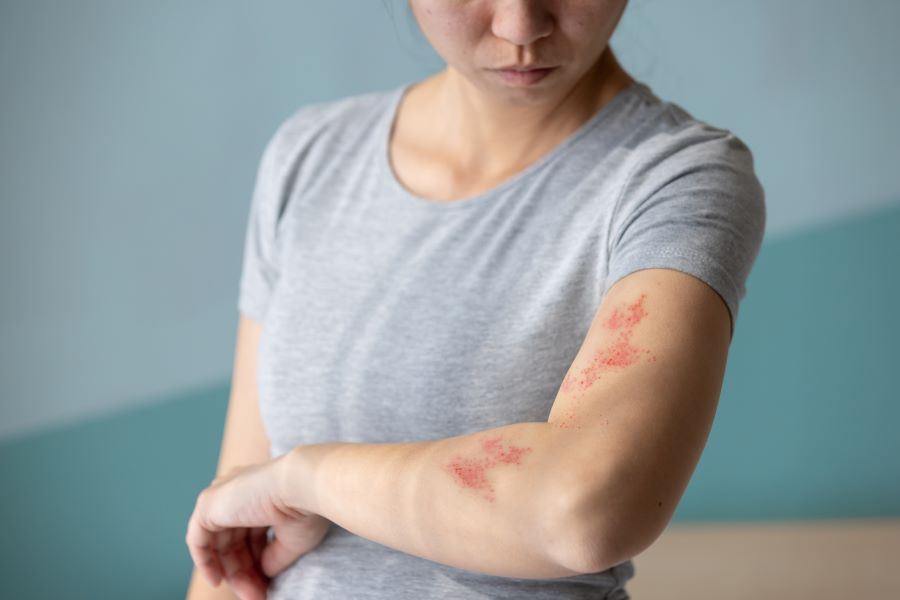
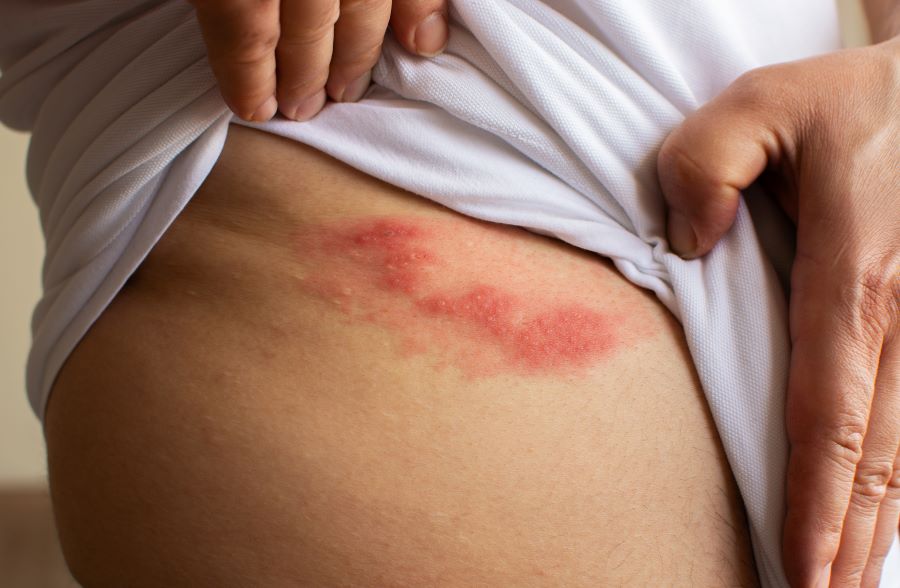
Initial symptoms include itching and a burning sensation on the skin for 1–3 days. This is followed by a red rash that develops into fluid-filled blisters arranged along nerve paths. These blisters are extremely painful even to slight touch. Eventually, the blisters break, scab over, and heal within 7–10 days, though some patients may continue to feel burning pain in the affected area.
Complications to Watch Out For
Patients over 50 may experience prolonged nerve pain even after the rash clears. If the rash spreads to the eye area, it can cause eye inflammation or corneal ulcers, potentially impairing vision. Improper care of ruptured blisters may lead to secondary skin infections.
Is Shingles Life-Threatening?
The belief that shingles is deadly originates from outdated treatment methods, such as applying unsterile herbal remedies, which often led to infections. Elderly individuals with weakened immune systems were particularly vulnerable. Today, modern antiviral medications enable faster and more effective treatment outcomes.
Is Shingles Contagious? How to Prevent It
Shingles can be transmitted to individuals who’ve never had chickenpox through direct contact with fluid from the blisters or via respiratory droplets in immunocompromised individuals. Patients should isolate from children, the elderly, and pregnant women.
Prevention includes getting vaccinated—recommended for people aged 50 and over—and maintaining a healthy immune system through regular exercise and nutritious eating.
Shingles is manageable and preventable. If symptoms occur, consult a doctor for early diagnosis and treatment at Synphaet Srinakarin Hospital. Leading hospital in Prawet District. For appointments or inquiries, call 02-006-8888.