






A Warning to Smokers: Trading Bliss for Lung Cancer, Life’s Ultimate Failed Reward
Many people claim that smoking is a way to relieve stress, create relaxation, or be part of social life. But behind the momentary “bliss” of smoking lies a host of serious dangers quietly accumulating in the body, ready to manifest as severe diseases, especially lung cancer, which is a common cancer and a leading cause of death worldwide. It can also be caused by other factors. Understanding these risk factors can help keep your lungs safe from this deadly disease. However, recognizing the dangers of tobacco and its direct impact on the respiratory system is crucial to understanding the real effects and risks, which may ultimately motivate the decision to quit smoking.
Is it True That Smoking Increases the Risk of Lung Cancer?
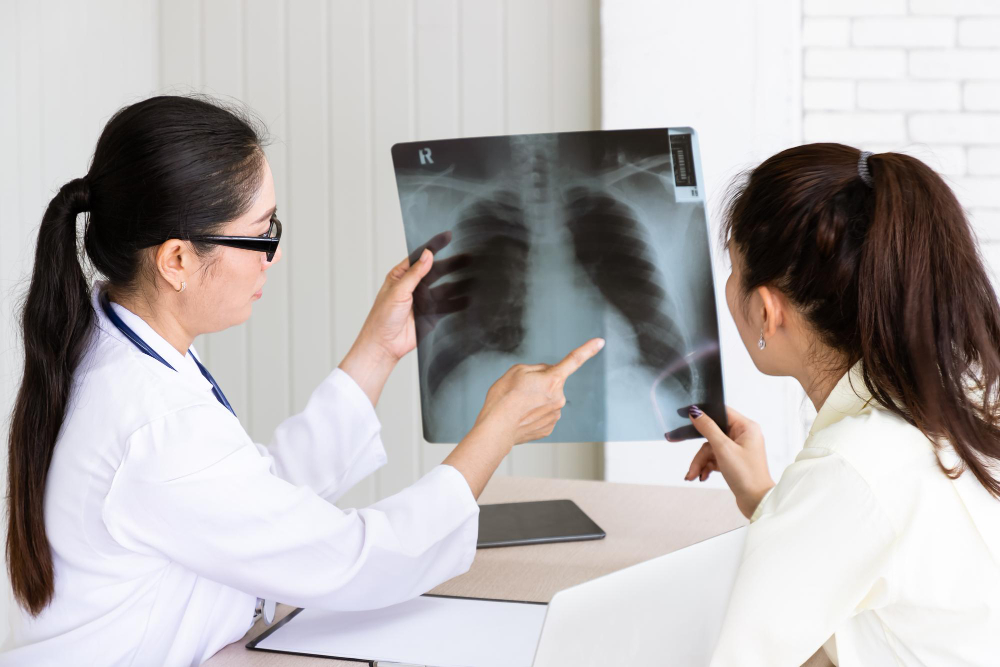
Smoking is the number one and most significant risk factor for developing lung cancer. Cigarette smoke contains over 7,000 harmful chemicals, including at least 70 carcinogens that can directly damage lung cells. When lung cells are continuously damaged over a long period, they can eventually develop into cancer cells. The risk of developing cancer increases with the duration and amount of smoking. Heavy, long-term smokers have a significantly higher risk than light or new smokers. Additionally, those who are regularly exposed to secondhand smoke by being close to smokers also have an increased risk of developing lung cancer.
What are the Disadvantages of Smoking?
Smoking doesn’t just harm the lungs or cause cancer; the smoke is filled with hundreds of dangerous chemicals that can seep into the bloodstream and spread throughout the body, affecting various organs and systems extensively, both in the short and long term. This is especially true for the main ingredients in cigarettes, which are the source of numerous health problems.
Disadvantages from Cigarette Ingredients
Cigarettes contain many harmful chemicals that negatively affect the body, not just causing addiction but also impacting various body systems. Chemicals found in cigarettes include:
Nicotine
Nicotine is the addictive substance in cigarettes. It stimulates the nervous system, making smokers feel temporarily relaxed and alert. Nicotine also affects the cardiovascular system by constricting blood vessels, leading to higher blood pressure and heart rate.
Tar
Tar is a sticky, black substance produced by burning tobacco, containing various carcinogens. When inhaled, tar sticks to cells in the lungs and airways, causing them to change and mutate into cancer cells. It also causes chronic coughing and phlegm.
Carbon Monoxide
Carbon monoxide is a toxic gas found in cigarette smoke. This gas competes with oxygen to bind with hemoglobin in red blood cells, resulting in the body receiving insufficient oxygen. This affects the function of the heart, brain, and other vital organs, leading to an increased risk of heart and vascular diseases.
Disadvantages Affecting the Body
Besides the direct effects on the lungs and respiratory system, smoking also harms various organs and systems throughout the body, including:
Cataracts
A cataract is a condition where the eye’s lens becomes cloudy, causing blurred vision. It is caused by chemicals in cigarette smoke, as toxins can directly damage cells in the eye and accelerate cell destruction from free radicals, causing the lens to deteriorate faster than normal.
Cardiovascular Disease
Smoking is a risk factor for several cardiovascular diseases, including coronary artery disease, heart attack, and stroke. Chemicals in cigarette smoke damage the walls of blood vessels, causing them to harden and narrow. It also increases blood pressure and levels of bad cholesterol in the blood.
Lung Disease
In addition to lung cancer, smoking is the leading cause of several chronic lung diseases, such as emphysema and chronic bronchitis, collectively known as Chronic Obstructive Pulmonary Disease (COPD). These diseases cause difficulty breathing, chronic cough, and excessive phlegm, severely impacting quality of life.

Besides Smoking, What Else Can Cause Lung Cancer?
Although smoking is the main cause, lung cancer can also occur in people who have never smoked. Other significant risk factors include:
Radon Gas
This is a colorless, odorless, and tasteless radioactive gas that results from the natural decay of uranium. It can seep into buildings through cracks in floors or walls. The accumulation of radon gas in enclosed spaces over long periods and inhaling it is the second leading cause of lung cancer after smoking, especially among construction workers who may frequently be exposed to radon-contaminated soil and rock.
Asbestos
This is a group of natural minerals that were once widely used in the construction industry due to their strength and heat resistance. However, exposure to or inhalation of asbestos fibers into the lungs can lead to lung cancer and mesothelioma (cancer of the pleura), especially among those who work in mines, construction material factories, or are involved in demolishing old buildings.
Gene Mutations
Some types of lung cancer are not caused by smoking or external carcinogens but by mutations of genes within the lung cells themselves. These include the EGFR (Epidermal Growth Factor Receptor) gene and the ALK (Anaplastic Lymphoma Kinase) gene. These mutations cause cells to grow and divide abnormally, leading to non-smoking-related cancer. Testing for these gene mutations is important for planning targeted therapy.
Conclusion
Lung cancer is a deadly disease that claims many lives in Thailand and around the world. Prevention starting today is crucial, especially quitting smoking, which is the main cause of the disease and the most important first step in protecting your own health. Additionally, we should avoid environmental hazards like radon gas or asbestos and maintain a healthy body by eating nutritious food, exercising regularly, and having regular lung health check-ups. This is especially important for high-risk individuals, such as smokers or those with a family history of the disease. Regular check-ups can help detect abnormalities in their early stages. Synphaet Hospital is ready to provide consultation with expert doctors to comprehensively care for your health with Low-Dose CT technology, a computed tomography scan with low radiation that provides clearer images of lesions than a standard X-ray.