





Understand Knee and Hip Osteoarthritis and Learn About Robotic Surgery
Good health is one of life’s greatest blessings. In reality, however, the body’s tissues, muscles, and bones inevitably decline with age. Many factors influence this process—body weight, physical activity, and lifestyle among them—but the effects are most apparent in older adults. Age-related degeneration of the joints causes frequent pain and, if left untreated, can interfere with daily life. By recognizing the signs of joint degeneration, understanding its causes, taking preventive steps, and knowing the surgical options—if needed—people at risk and older adults can often regain a quality of life similar to before.
What causes joint degeneration?
Joint degeneration (osteoarthritis) results from multiple factors, including:
- Genetic abnormalities of collagen proteins, which are essential for cartilage health, can make family members more likely to experience earlier joint wear.
- Excess body weight increases direct stress on the knee joints.
- Weakness of the quadriceps muscles in the thigh.
- Wear-and-tear or traumatic injuries, such as sports-related knee injuries.
Below we explain knee osteoarthritis and hip osteoarthritis in more detail to illustrate typical symptoms and consequences.
Knee osteoarthritis
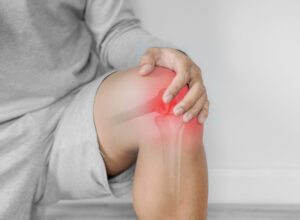
Knee osteoarthritis generally develops from degeneration of the cartilage that covers the joint surfaces. As cartilage thins with age and is no longer able to protect the underlying bone, the bones rub together under load. This leads to knee pain, stiffness, swelling, progressive deformity, and ultimately reduced function in daily life.
Hip osteoarthritis
Hip osteoarthritis follows a similar degenerative process but affects the hip joint. As the joint wears, movement becomes limited and painful. In advanced cases patients may have difficulty climbing stairs, walking, and even sleeping due to pain. Hip osteoarthritis can also arise from previous conditions such as hip dislocation, fractures, congenital hip abnormalities, autoimmune diseases like rheumatoid arthritis, or other inflammatory joint disorders.
How to prevent knee and hip osteoarthritis
Prevention focuses on weight control, avoiding excessive joint strain, and strengthening the thigh and peri-knee muscles through regular exercise to reduce knee loading. For hip health, avoid excessive alcohol, choose low-impact activities that maintain regular movement and reduce shock to the joints. These measures can help slow the progression of degenerative joint disease.
Joint replacement surgery for knee osteoarthritis
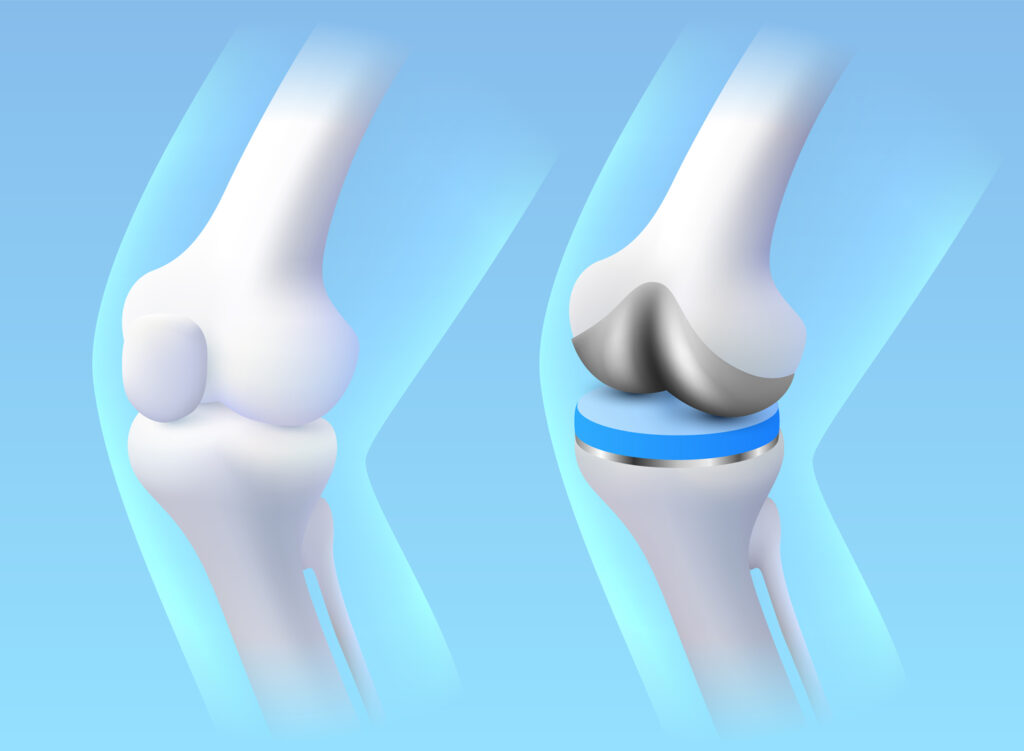
Knee replacement surgery comes in two main types:
Total knee replacement
Total knee replacement replaces all joint surfaces of the knee. It is indicated for patients with severe joint damage, reduces inflammation-related pain, corrects deformity, restores alignment, and preserves future joint function.
Partial knee replacement
Partial knee replacement replaces only the damaged portion of the knee surface. This approach is appropriate when degeneration is limited to one area—commonly the inner compartment. Partial replacement typically causes less pain and enables faster recovery compared with total replacement.
Choosing the appropriate procedure should be based on a specialist assessment of the severity and individual patient factors.
Hip replacement surgery for hip osteoarthritis
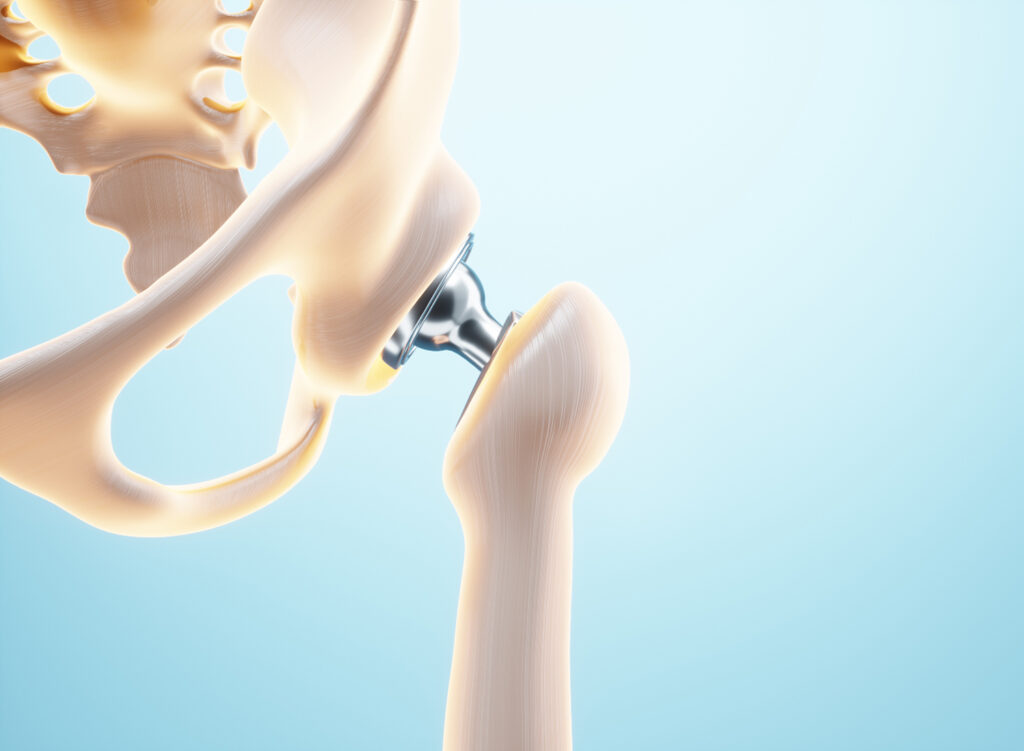
Hip replacement involves removing the damaged hip joint and replacing it with a prosthetic implant to restore mobility and quality of life. Materials may include metal alloys (cobalt-chromium, titanium) and ceramics, selected according to patient needs. Modern implants are durable and can last for many years.
Introducing robotic-assisted surgical technology
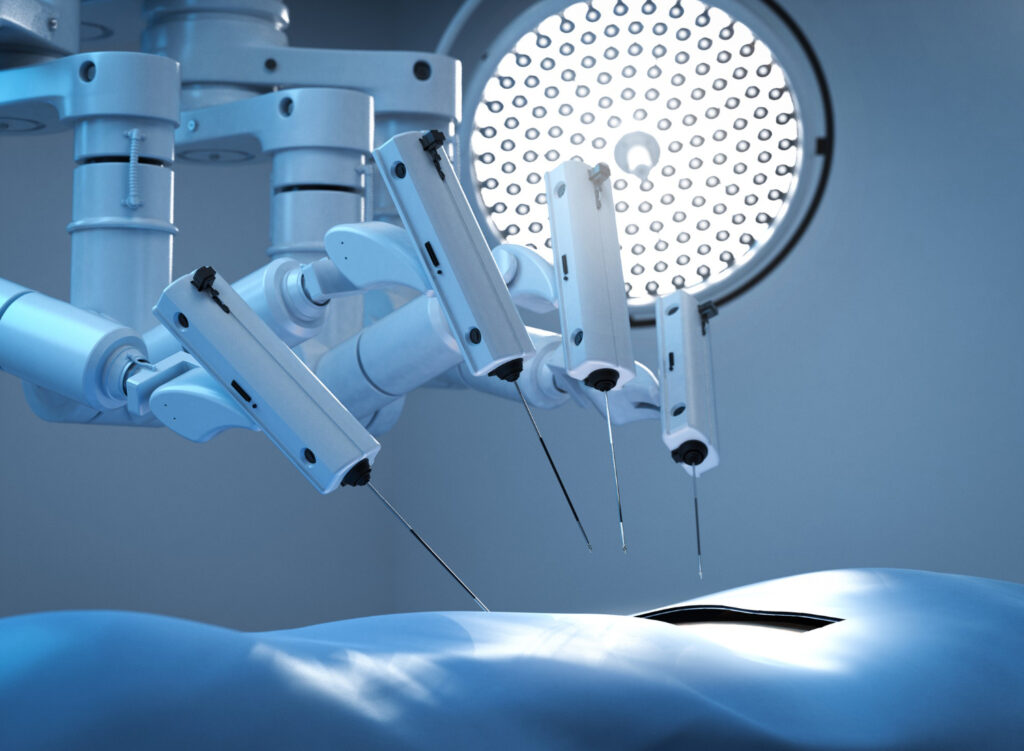
Robotic-assisted surgery uses a robot to assist the surgeon, who controls the robotic instruments through a computer. The system provides a 3D view of internal anatomy, enabling precise planning and execution. The robot holds and guides surgical instruments under the surgeon’s control, increasing accuracy, reducing injury to nearby tissues, lowering blood loss, and often enabling faster recovery.
Who is robotic-assisted total knee replacement suitable for?
Robotic-assisted total knee replacement suits patients with chronic knee pain from osteoarthritis or severe traumatic knee injury who have not responded to conservative treatments. It is particularly helpful for patients who need a high degree of surgical accuracy and desire faster recovery.
Who is robotic-assisted hip replacement suitable for?
Robotic-assisted hip replacement is suitable for patients with similar indications as knee replacement but affecting the hip joint.
Robotic-assisted surgery is one treatment option for degenerative joint disease. Final treatment selection depends on each patient’s individual condition; patients should consult an orthopedic specialist for personalized advice.
Which robotic orthopedic services does Synphaet Seriruk offer?
Synphaet Seriruk integrates robotic technology into orthopedic surgery to improve precision and treatment outcomes—especially for knee and hip procedures and other bones-and-joints interventions. If you suffer from knee or joint pain or have been diagnosed with degenerative joint disease, consult our specialist team for an assessment and tailored treatment plan.