





New option for treating diabetic wounds with Hyperbaric Oxygen Therapy
Diabetic wounds cause significant suffering for many people with diabetes and can lead to limb loss. Now there is a new option: Hyperbaric Oxygen Therapy (HBOT). This technology increases the amount of oxygen available to the body, helping cells repair themselves more effectively and reducing inflammation — a key problem in diabetic wounds.HBOT has proven effective for diabetic wound care: it can speed wound healing, reduce infection risk, and help patients return to normal life. HBOT is generally safe and has few side effects. Today Synphaet Seriruk will explain what HBOT is, how it works, and whether it really helps treat wounds.
What is hyperbaric oxygen therapy?
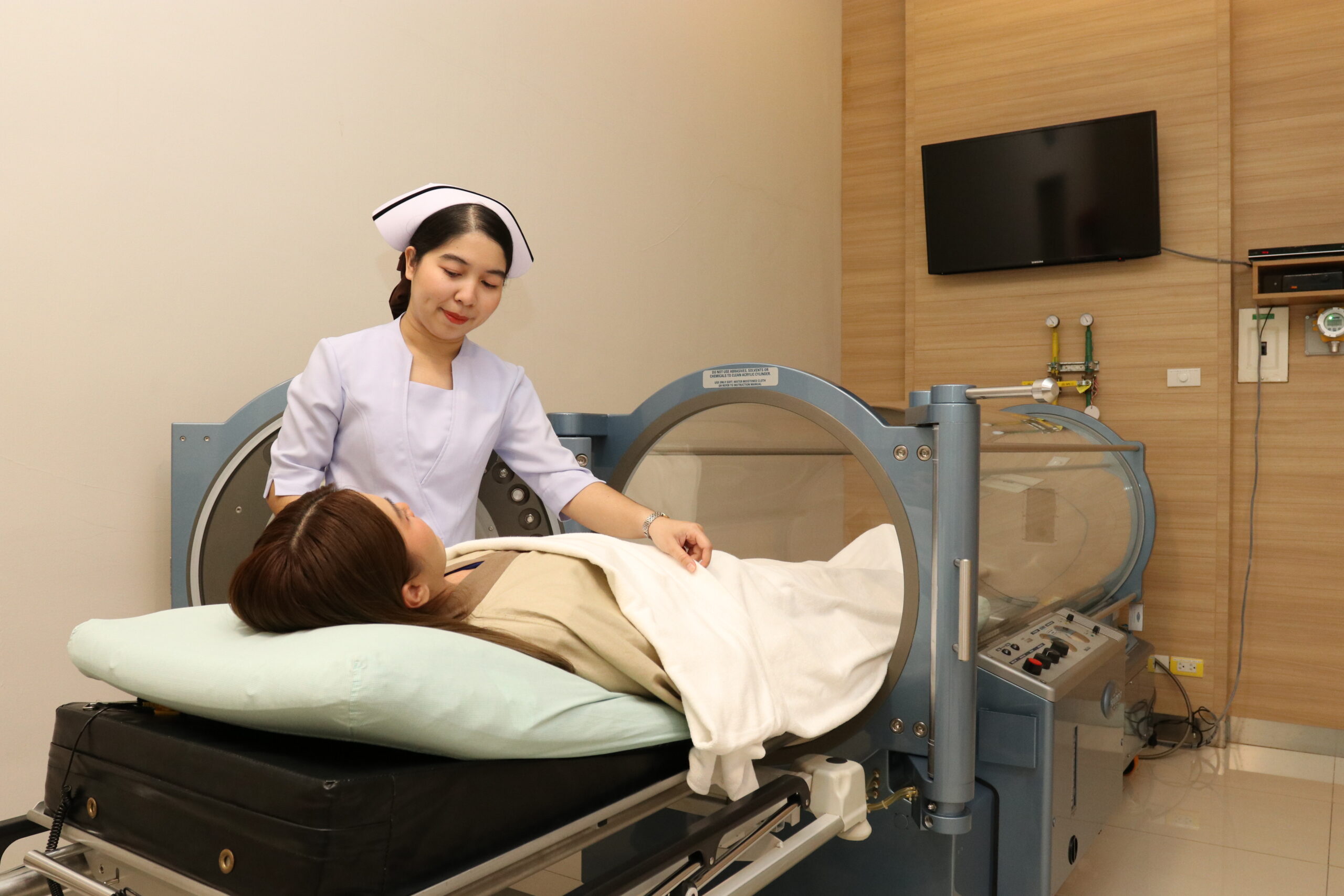
Hyperbaric Oxygen Therapy (HBOT) is treatment with high-pressure oxygen. The patient breathes 100% pure oxygen inside a pressurized chamber, allowing the body to receive much higher oxygen levels than under normal atmospheric conditions. This increased oxygen promotes wound healing and stimulates cellular activity throughout the body.
How hyperbaric oxygen therapy works
The HBOT process is simple: the patient lies inside a glass capsule chamber filled with 100% oxygen at a pressure 2–3 times higher than the surrounding air. This maximizes oxygen delivery to tissues.
After some time in the chamber, red blood cell oxygen content rises and oxygen binds more effectively to blood cells. During this period the body receives much more oxygen than with normal breathing, which — as noted earlier — benefits many bodily systems and helps restore healing in diabetic wounds.
What conditions can HBOT treat?
In addition to diabetic wounds, hyperbaric oxygen therapy can help treat the following wounds and conditions:
- Surgical wounds and post-surgical wound healing
- Insomnia
- Migraine headaches
- Scalds and burn wounds
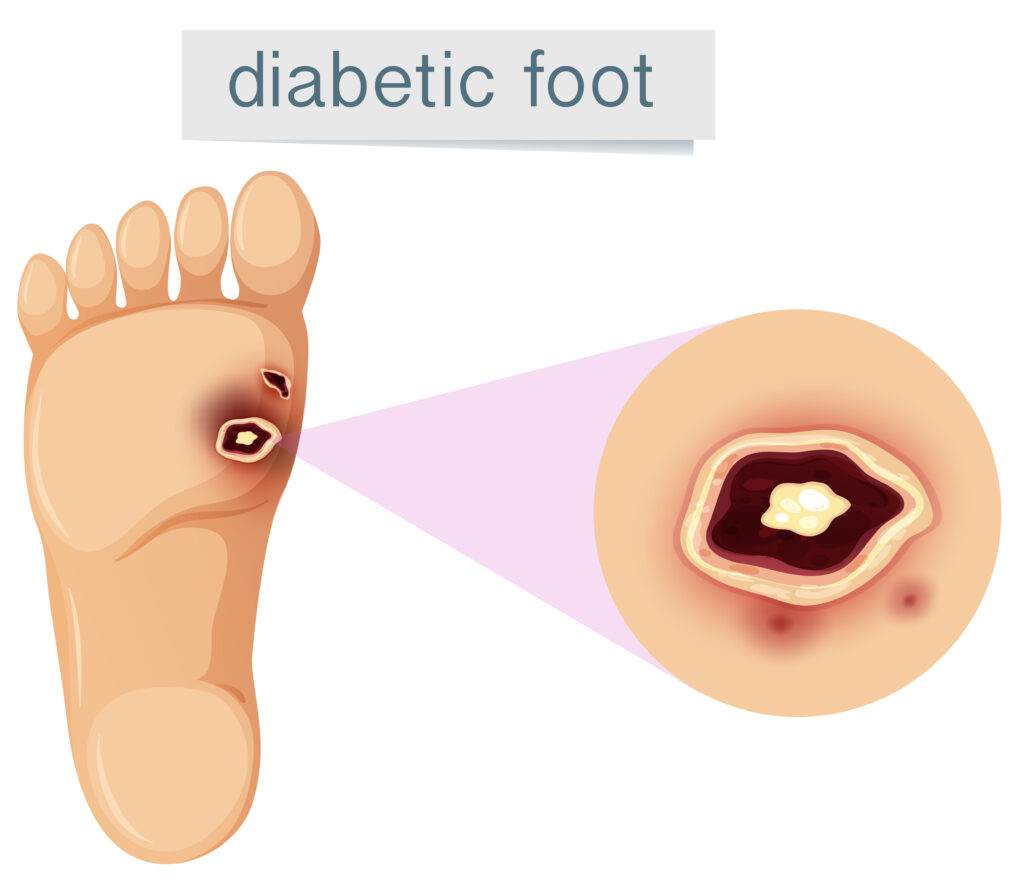
Why use HBOT to treat diabetic wounds?
Why use Hyperbaric Oxygen Therapy for diabetic wounds ? Synphaet Seriruk summarizes four key benefits below.
Stimulates blood circulation
Diabetes often causes narrowed blood vessels and impaired circulation, which reduces blood flow to wounds and slows healing. HBOT improves blood circulation and increases the amount of oxygen delivered to tissues.
Promotes repair of damaged tissues
With increased oxygen availability, damaged tissues repair more quickly and effectively.
Reduces inflammation and combats bacteria
HBOT helps reduce inflammation and kill bacteria. Diabetic wounds commonly become infected, and HBOT can help manage infection and decrease inflammation — a safe and promising option for those with diabetic wounds.
Prevents complications of diabetic foot wounds
Diabetic foot wounds can lead to serious complications such as bone infections (osteomyelitis), joint infections, and other sequelae. HBOT helps tissue recovery and is an effective measure to reduce the risk of such complications.
Which diabetic wounds are suitable for HBOT?
Diabetic wounds that may be appropriate for HBOT include:
- Wounds larger than 2 cm in diameter
- Wounds deeper than 1 cm
- Infected wounds or wounds that heal slower than expected
- Wounds at high risk for severe infection
Preparation before HBOT
Preparation for HBOT for patients with diabetic wounds involves four easy steps: a health check, informing medical staff about chronic conditions, and learning about potential side effects and the necessity of this therapy.
Health check
Before HBOT, a health check is recommended to assess basic readiness. This includes measuring blood pressure and temperature to ensure there will be no obstacles during oxygen therapy.
Inform medical staff of chronic conditions
Even if the pre-treatment check appears normal, inform the doctor or nurse about any chronic illnesses or other abnormal symptoms to prevent further health issues.
Learn about possible side effects
Although HBOT is effective, some people may experience side effects such as ear fullness or discomfort due to pressure changes. These effects are usually temporary and resolve on their own.
Understand whether HBOT is necessary
HBOT is not appropriate for everyone — for example, patients with uncontrolled high blood sugar and pregnant women may not be suitable. Discuss suitability with your physician.
Special HBOT package
Synphaet Seriruk Hospital offers a special HBOT package: three 60-minute sessions for 5,990 THB, administered by specialized physicians. Before treatment the medical team will perform a chest X-ray and check inner-ear function to minimize concerns about side effects such as barotrauma, chest pressure, or lung complications and to ensure safe and effective rehabilitation.
Summary
Hyperbaric Oxygen Therapy is a promising new option for treating diabetic wounds. It can accelerate wound healing, lower the risk of complications, and improve patients’ quality of life. If you have diabetic wounds or other difficult-to-heal wounds, consult a physician to receive appropriate advice.