





Get to Know LASIK: A Solution That Makes Life Easier for People with Vision Problems
If you rely on glasses or contact lenses every day, it may be time to ask yourself: “How great would it be to live without worrying about them?” LASIK is a vision-correction technology that helps you see clearly without depending on external aids.
Beyond convenience, LASIK can reduce problems that come with long-term contact lens use, such as conjunctivitis, dry eyes, or irritation. If you want to improve your quality of life and reduce visual limitations, LASIK may be the right treatment option.
What is LASIK?
LASIK is a permanent surgical method to correct refractive errors—such as myopia, hyperopia, or astigmatism—by using a laser to reshape the cornea so that light focuses on the retina at the correct point, resulting in clearer vision. LASIK is popular because it is very safe, quick, and allows for rapid recovery.
What types of LASIK are there?
PRK
Pros
- Suitable for patients with thin corneas and dry-eye tendencies
- No corneal flap creation, reducing flap-related risks
Cons
- Slower recovery, typically 1–2 weeks
- Possible postoperative pain and eye discomfort
LASIK
Pros
- Vision recovers quickly, often within 24 hours
- Less pain and irritation than PRK
Cons
- Not ideal for thin corneas or significant dry eye
- Risk of abnormal flap issues or infection
FemtoLASIK PRESBYOND
Pros
- Lowers the chance of flap-related complications
- Suitable for age-related farsightedness (presbyopia)
Cons
- Higher cost than standard LASIK
- Dry-eye symptoms may occur after surgery
ReLEx SMILE
Pros
- Very small incision
- Reduces flap-related complications
Cons
- Higher cost
- Temporary initial blurriness may occur
ICL (Implantable Collamer Lens)
Pros
- Removable or replaceable lens
- Suitable for thin corneas that are not candidates for LASIK
Cons
- Higher cost
- Requires careful postoperative care
How to Prepare Before LASIK
Good preparation helps improve surgical outcomes and reduce complications. Doctors typically advise patients to follow these steps:
- Avoid wearing contact lenses for at least 1–2 weeks before surgery
- Do not wear makeup or cosmetics around the eyes on surgery day
- Wash your face and hair thoroughly to reduce contaminants
- Avoid alcohol and caffeinated drinks before LASIK
- Have a companion accompany you on the day of surgery and the day after to help with transportation
Impacts of Uncorrected Refractive Errors
People with refractive errors may struggle with daily tasks such as reading, driving, or prolonged computer use, which can lead to eye pain, eye fatigue, and headaches. Long-term contact lens use may also increase the risk of infection or conjunctivitis.
Who is a Good Candidate for LASIK?
LASIK is suitable for those with stable vision and no serious eye disease, including:
- Stable prescription for at least 1 year
- Age 18 or older with healthy eyes
- Adequate corneal thickness
- No corneal disease or uncontrolled systemic conditions such as poorly controlled diabetes or immunodeficiency
Post-LASIK Self-Care
- Avoid rubbing or touching the eyes directly for the first 1–2 weeks
- Wear sunglasses outdoors to reduce light sensitivity and irritation
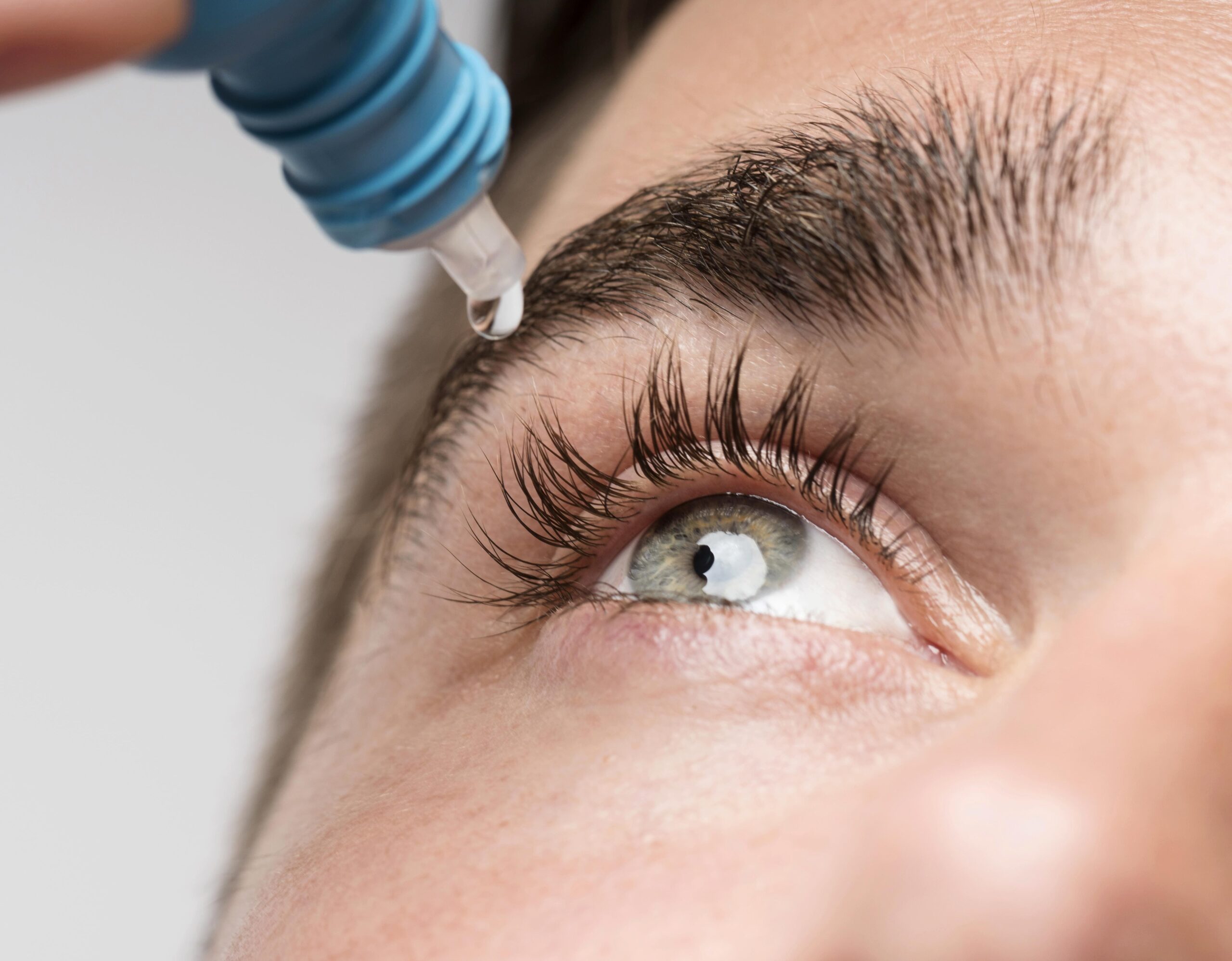
- Use artificial tears as directed to relieve dryness
- Avoid activities that may impact the eyes, such as swimming
- You may wash your face and hair after the 1-week follow-up
- Limit prolonged use of mobile phones and computers
- Avoid eye-area makeup for at least 2 weeks
What Does LASIK Feel Like?
During LASIK, numbing eye drops are used so the procedure is not painful. You may feel gentle pressure on the eye and experience temporary blurred vision. The procedure itself is brief—about 10–15 minutes per eye.

Chances of Vision Changes After LASIK
Most people enjoy long-term visual improvement after LASIK, but minor prescription changes can still occur—especially with heavy visual demands such as prolonged reading or continuous computer use. Follow your doctor’s advice to help minimize these risks.
Summary
In summary, LASIK helps people with refractive errors see more clearly, reducing dependence on glasses or contact lenses and lowering the risk of complications such as conjunctivitis and dry eyes. Techniques vary, each with different pros and cons. Research your options and choose the method that suits your eyes, and always follow your doctor’s instructions for the best results. If you would like a consultation, please contact Synphaet Seriruk Hospital.