





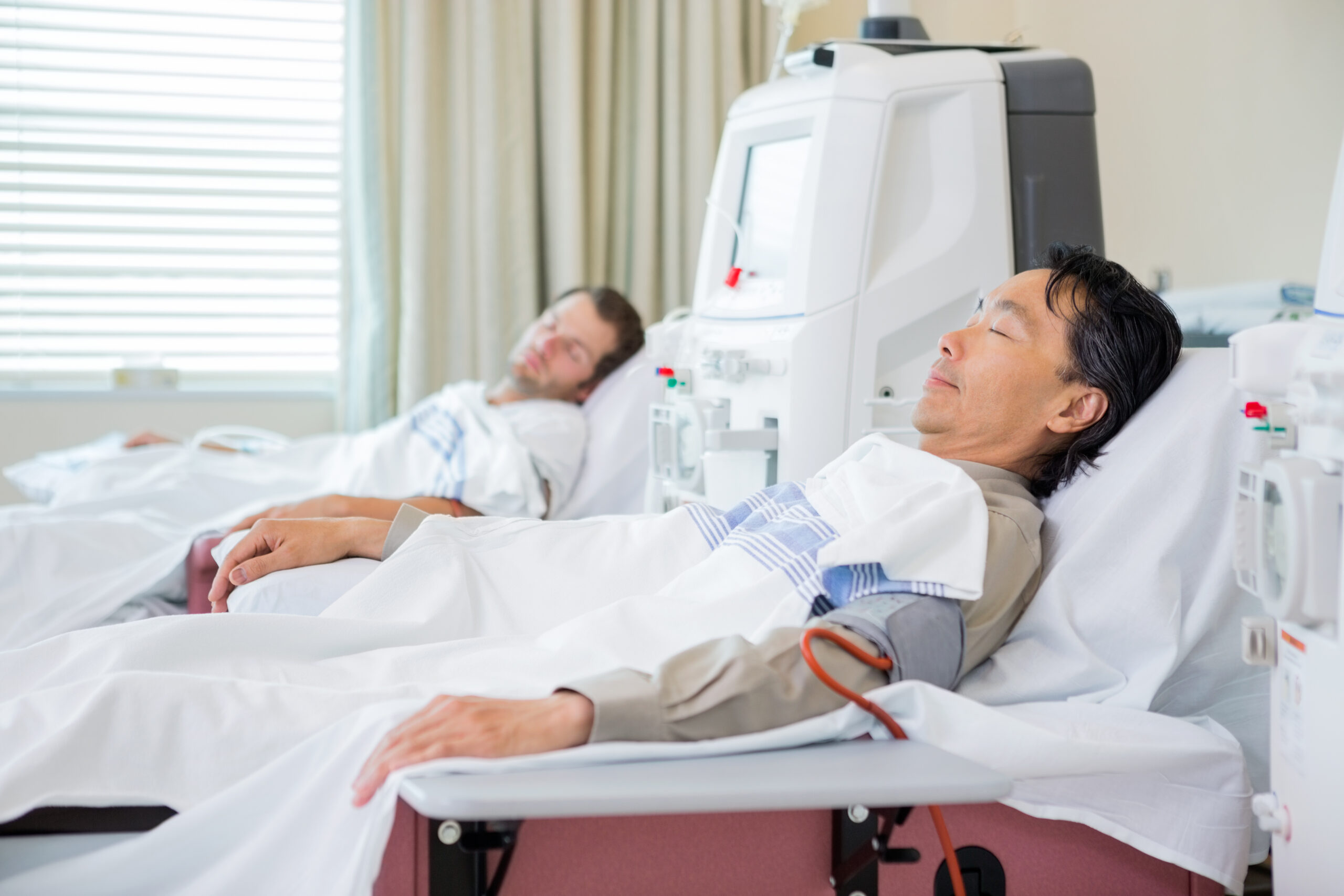
Learn why an arteriovenous fistula (AVF) is a safer, lower-infection dialysis access than temporary catheters, plus benefits, wait-time risks, and pre-op preparation steps.
One risk of emergency temporary hemodialysis with catheters placed in the neck or chest is difficult care. Vascular stenosis may occur, reducing dialysis efficiency. Patients cannot bathe, and the infection risk is high because the external dialysis catheter can bring germs into the body. Many patients must first use a temporary dialysis line while awaiting evaluation after the doctor determines dialysis is required.
Creating AVF (Arteriovenous Fistula) Dialysis Access
This is a permanent dialysis access that is easier to care for and has a lower infection risk, with fewer risks during dialysis than temporary lines. However, surgery often requires a long waiting time, and after surgery the vessel must mature for several months before use.
What is AVF Dialysis Access Surgery?
AVF (vascular access) surgery creates a blood access for patients needing dialysis by using the patient’s own arm vessels to connect a vein and an artery, allowing more arterial blood to flow into the vein. This access will
Long wait times increase risk
Normally, AVF surgery often requires a long queue, especially for those using universal coverage, civil servant benefits, or social security benefits.
Continuing to use a temporary dialysis line increases infection risk because care is difficult
and the dialysis process carries more risk than with an AVF.
Benefits of AVF Dialysis Access
- Safer during dialysis sessions
- Lower risk of infection than emergency temporary lines
- Allows normal daily activities such as bathing and swimming
- No catheter in the neck
Preparing for AVF Dialysis Access
- Call to ask for information and schedule an appointment
- Undergo a physical examination and ultrasound to assess vessel readiness
- To protect the target vein before testing and surgery, avoid blood draws, injections, blood pressure measurements, and IV fluids in the arm planned for AVF
For more information, call: 02 761 9888