






Clearing Up Questions About Kidney Stone Dissolution in Urine
What Are Kidney Stones?
The kidneys filter waste from the blood and excrete it through urine. Urine flows from the renal pelvis down the ureters to the bladder and then out of the body. However, when urine becomes highly concentrated, calcium deposits or minerals in the urine may precipitate inside the kidney, forming small hard masses called kidney stones. If a stone dislodges into the ureter, it is called ureteral stone disease.
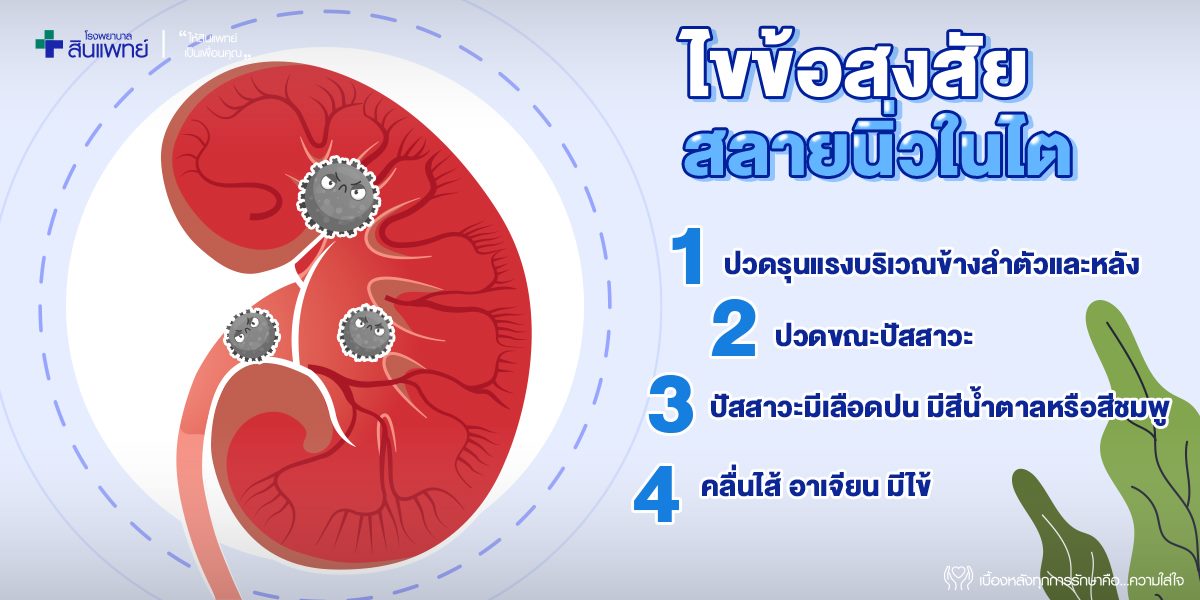
Common symptoms of kidney stones include:
– Severe pain on the side and back, which may extend to the lower abdomen and groin
– Painful urination, burning sensation, frequent urination, and abnormally low urine volume
– Blood in urine, which may appear brown or pink
– Nausea, vomiting, and fever
Risk Factors for Kidney Stones
– Insufficient water intake; high consumption of protein, salt, and sugar
– Overweight; diseases of the urinary or digestive system such as nephritis or inflammatory bowel disease
Kidney Stone Treatment
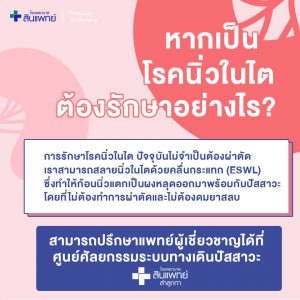
Surgery is not always necessary. Kidney stones can be treated with Extracorporeal Shock Wave Lithotripsy (ESWL), a treatment using specific sound waves to create shockwaves that break the stones into fine particles that pass out with urine. This method requires no surgery or anesthesia and is suitable for small to medium-sized stones, not exceeding 2 centimeters, without urinary tract obstruction below the stone. For convenient, fast, and effective treatment without surgery or anesthesia, consult our specialists >> Click here
Early self-care is essential: drink plenty of water, rest well, eat nutritious food, reduce salt and sugar intake, exercise regularly, and have regular health checkups to protect yourself from serious diseases.
.
.
.
.
For more information, contact Synphaet Lam Luk Ka Hospital at 02-006-9999 or
Add Line ID: @synphaetline
#MakeSynphaetYourFriend
#BehindEveryTreatmentIsCare