





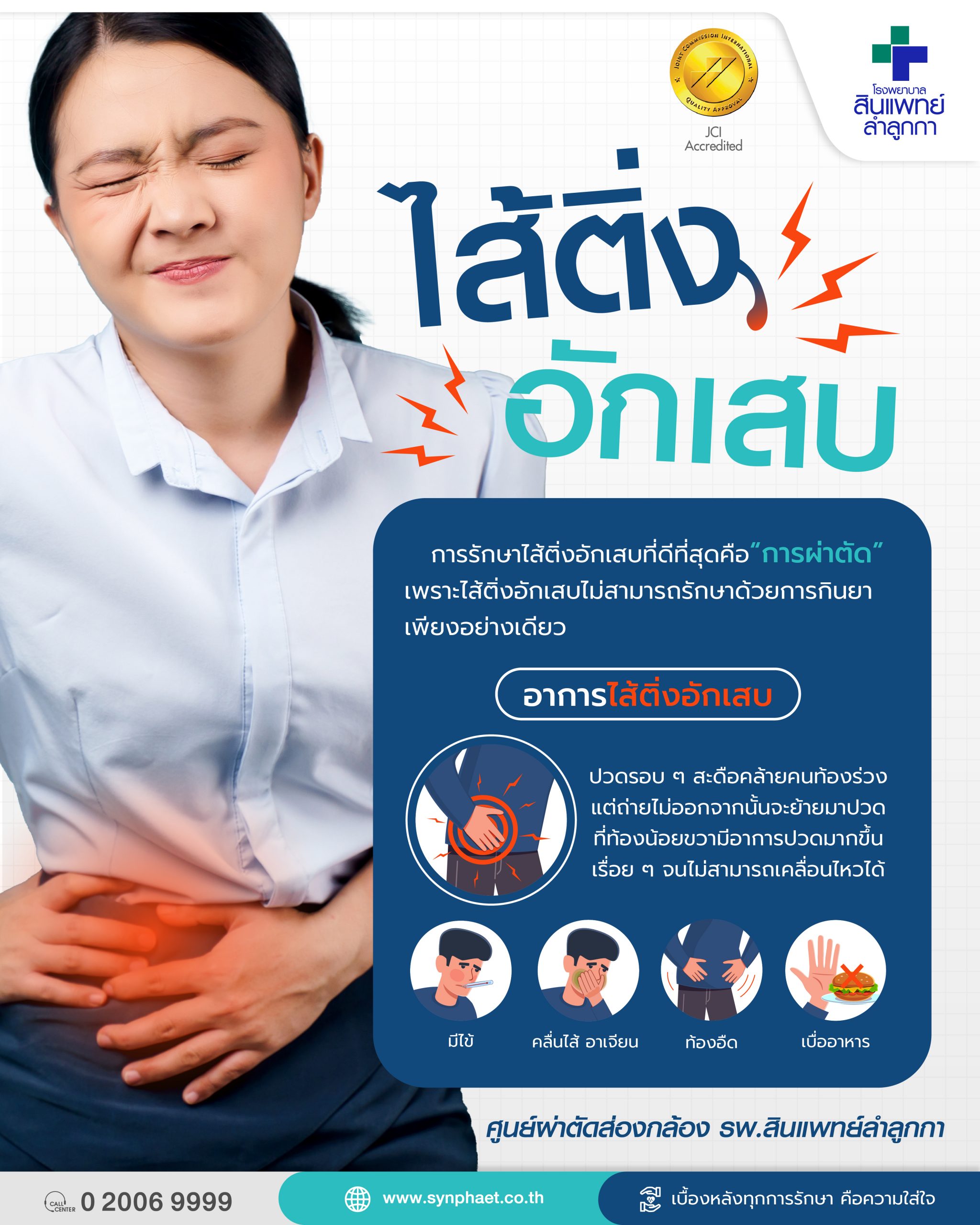
Appendicitis Can Be Treated with Laparoscopic Surgery
It is the most common acute abdominal pain disorder that can occur in all genders and ages. The pain varies depending on the stage of inflammation.
If the infection becomes severe, the appendix may rupture.
What is Appendicitis?
Appendicitis is an inflammation of the appendix, a small finger-like organ located in the lower right abdomen. It causes severe abdominal pain and, if not treated promptly, can lead to serious complications.
Appendicitis Symptoms
- Starts with pain around the navel, similar to diarrhea but without bowel movement, later shifting to the lower right abdomen and intensifying until movement becomes difficult.
- Fever
- Nausea and vomiting
- Loss of appetite, bloating
If you notice any of the above symptoms, you should see a doctor immediately.
Stages of Appendicitis Symptoms
The symptoms of appendicitis can vary among individuals. However, most cases begin with pain around the navel that shifts to the lower right abdomen. Other symptoms include nausea, vomiting, fever, frequent urination, loss of appetite, constipation alternating with diarrhea. Appendicitis typically has two main stages:
- First Stage: The appendix becomes blocked, causing sudden pain around the navel, loss of appetite, nausea, and vomiting.
- Second Stage: The appendix swells, causing intense pain in the lower right abdomen. Movement or sneezing worsens the pain. May be accompanied by alternating constipation and diarrhea.
Causes of Appendicitis
1. Hardened stool or food particles blocking the appendix, allowing bacteria to cause inflammation
2. Tumors or intestinal parasites
Appendicitis Surgery Treatment
The best treatment for appendicitis is surgery, as it cannot be cured with medication alone. Currently, Synphaet Hospital offers Minimally Invasive LC Lap Appendectomy, a laparoscopic surgery method.
It involves making small incisions to insert a camera and surgical tools into the abdomen. The incisions are only 1-2 cm, resulting in minimal scarring, less pain, faster recovery, and lower risk of infection or complications compared to open surgery.
Appendicitis Complications
Complications from appendicitis usually occur when treatment is delayed, leading to appendix rupture. When this happens, bacteria can spread to nearby areas, causing further infection-related complications such as:
– Peritonitis: Bacteria spread into the abdominal lining, causing severe inflammation, intense abdominal pain, fever, rapid heartbeat, and difficulty breathing. Without timely treatment, it can be life-threatening.
– Intra-abdominal Abscess: Occurs when the body attempts to isolate the infection, leading to pus collection. This may require drainage for about two weeks and antibiotics to eliminate the infection.
Initial Treatment for Appendicitis
If appendicitis is suspected, it is crucial to see a doctor immediately. There is no home remedy. Painkillers or warm compresses can mask symptoms and delay diagnosis, increasing the risk of rupture, which is life-threatening. Surgery is the main treatment, while antibiotics may be given before or after surgery to control infection.
Appendicitis Surgery Methods
Surgery is the most effective and standard treatment for appendicitis, with two main options:
– Laparoscopic Appendectomy: A popular method due to its small incisions (0.5-1 cm, 2-3 cuts), less pain, quicker recovery, and reduced risk of adhesions. The doctor inserts a camera and instruments to remove the appendix, suitable for most patients.
– Open Appendectomy: A traditional method involving a 5-7 cm incision in the lower right abdomen. This is used in cases of rupture, severe infection, or when laparoscopy is not possible (e.g., previous abdominal surgeries or emergencies).
Preoperative Preparation
Appendicitis surgery is usually urgent. Key preparations include:
– Fasting: No food or drink 6-8 hours before surgery to prevent aspiration during anesthesia
– Medical History Disclosure: Inform the doctor about drug allergies, chronic conditions, current medications, and supplements
– Physical Preparation: IV fluids and antibiotics may be administered before surgery
– Remove Accessories and Dentures: Including valuables before entering the operating room
Post-Surgery Care
Proper postoperative care ensures faster recovery and reduces complications.
– Wound Care: Keep the wound clean and dry. Follow instructions for dressing and cleaning
– Diet: Start with soft foods and gradually increase as tolerated. Avoid spicy or hard-to-digest foods early on
– Mobility: Try to walk as much as possible to help bowel movement and prevent complications from lying down too long
– Medications: Take painkillers and antibiotics as prescribed
– Watch for Warning Signs: High fever, severe wound pain, redness, pus, or severe diarrhea—consult your doctor
– Rest: Avoid heavy activities or lifting for 2-4 weeks, depending on surgery type and recovery progress
Which Hospital Specializes in Appendicitis Treatment?
For appendicitis surgery, Synphaet Lam Luk Ka Hospital is a well-known facility with a specialized surgery center, experienced doctors, and advanced equipment, especially for laparoscopic surgery. Choosing a hospital close to home for emergencies is crucial.
Doctors Specialized in Appendicitis Surgery
A general surgeon is the specialist for appendicitis surgery. For advanced cases, look for a surgeon experienced in laparoscopic procedures for better recovery outcomes. You may consult your general practitioner or contact your chosen hospital for referrals.
Appendix Location
The appendix is a small pouch that protrudes from the large intestine in the lower right abdomen. It’s a closed-end tube with a single opening. If stool, undigested food, or seeds enter and block it, inflammation occurs.
Appendicitis FAQs
How are appendicitis symptoms different in children and adults?
Symptoms differ because children may show signs similar to other conditions. Watch for loss of appetite, fever, nausea, vomiting, abnormal crying, unexplained diarrhea, or curling up due to pain. Gently pressing the lower right abdomen may cause the child to tense, indicating pain and potential appendicitis.
Can appendicitis be prevented?
There is no guaranteed prevention, but a high-fiber diet may reduce the risk of developing appendicitis.
When should I see a doctor for suspected appendicitis?
Seek medical attention if you experience lower right abdominal pain, cramping, lasting over 6 hours without improvement. Diagnosis includes history taking, physical exams, blood tests (white cell count), urine analysis, and sometimes other tests based on the doctor’s judgment.
.