





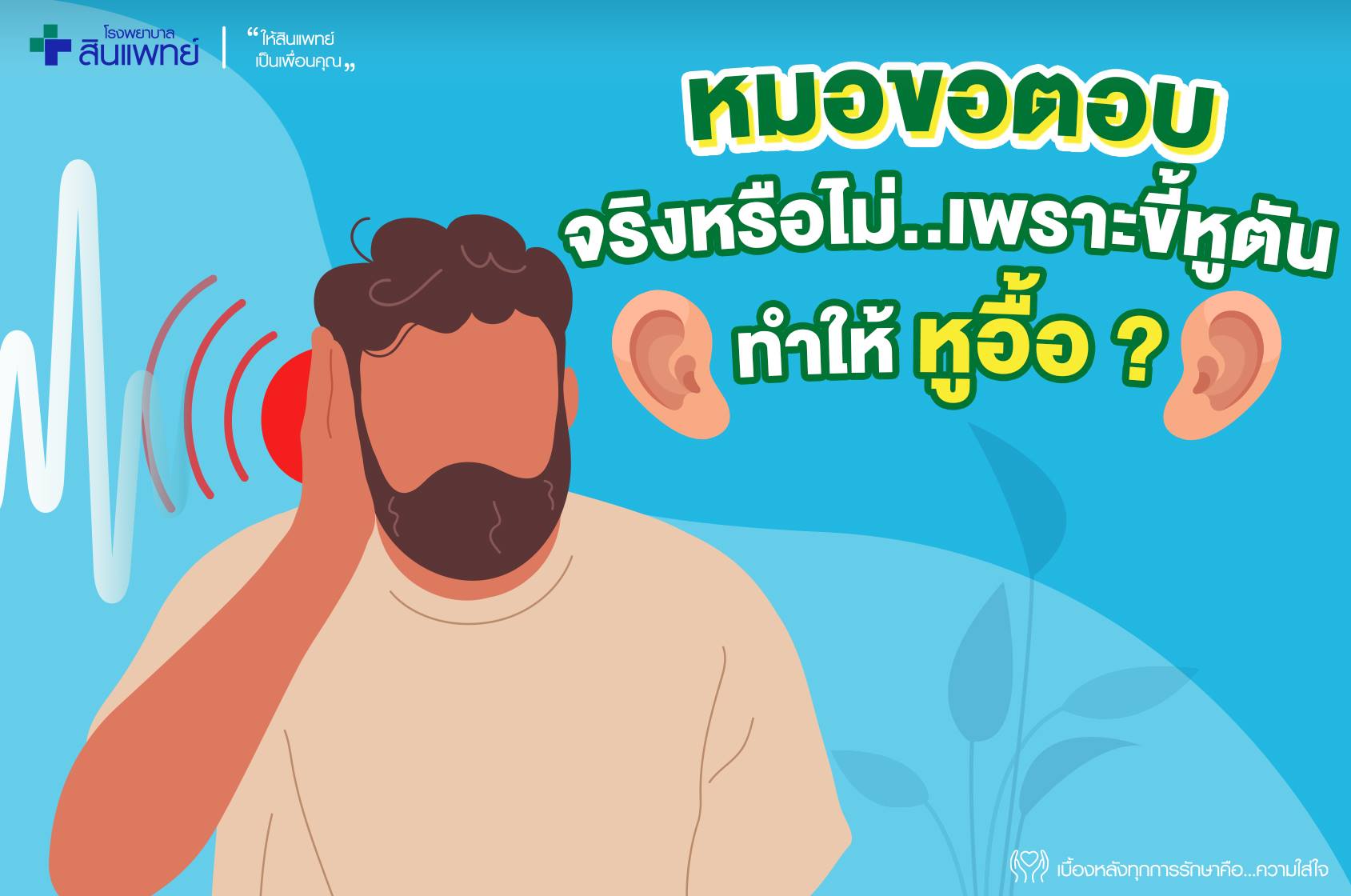
What Causes Ear Fullness?
Ear fullness is a common condition that can result from various causes. Common causes include:
- Prolonged exposure to loud noise: Listening to loud music or working in noisy environments like factories can damage the auditory nerve cells.
- Ear infections: Such as middle ear infections or sinusitis.
- Inner ear disorders: Such as Meniere’s disease, which involves abnormalities in inner ear fluid.
- Temporomandibular joint (TMJ) dysfunction: Sometimes, ear fullness is associated with jaw joint issues, causing a sensation of noise or pressure in the ear.
- Medication side effects: Certain medications like antibiotics or antipyretics may cause ear fullness as a side effect.
- Other medical conditions: High blood pressure, diabetes, heart disease, or brain tumors may also be linked to ear fullness.
Causes of Ear Fullness
There are two main categories of causes for ear fullness: conductive hearing issues and sensorineural hearing problems. Conductive issues may include earwax buildup, fluid in the ear, or foreign objects in the ear canal, potentially leading to infections or even eardrum perforation. Sensorineural causes often relate to age-related hearing deterioration or natural aging.
Earwax Blockage and Ear Fullness
Can earwax blockage really cause ear fullness? Yes, it can. Earwax can obstruct the sound pathway, especially if it accumulates and is not removed. This reduces hearing ability over time. If left untreated, it can worsen and using cotton swabs or ear picks to remove it might cause injury or infection. Keeping ears clean and free of wax is therefore essential.
Who Is at Risk of Ear Fullness?
People at risk of experiencing ear fullness include:
- Those working in noisy environments: Such as musicians or mechanics.
- Those with frequent ear infections: Such as young children and the elderly.
- Those with a family history of ear disorders: For example, Meniere’s disease.
- Aging individuals: Due to degeneration of auditory nerve cells with age.
- Those taking certain medications: Especially antipyretics or antibiotics.
How Is Ear Fullness Treated?
Treatment depends on the underlying cause. A physician will conduct a thorough examination to determine the cause and plan appropriate treatment, which may include:
- Treating the cause: For example, antibiotics for infections, or medication to manage Meniere’s symptoms.
- Hearing aids: If due to hearing loss, hearing aids can improve hearing.
- Lifestyle modifications: Avoiding loud noises, getting enough rest, and reducing stress.
- Physical therapy: In some cases, physiotherapy may help relieve symptoms.
- Medications: Such as anti-vertigo or muscle relaxants, depending on the case.
FAQ: Frequently Asked Questions About Ear Fullness
Is ear fullness dangerous?
Ear fullness is a symptom—not a disease. It may indicate problems in the hearing system or other bodily functions. Causes can include loud noise exposure, ear infections, wax blockage, side effects of medication, or conditions like Meniere’s disease or ear tumors. If temporary, it may not be concerning, but chronic or severe symptoms—especially with dizziness, pain, or hearing loss—should be checked by a doctor.
Should I be concerned about ear fullness in one ear?
Can loud sounds cause permanent ear fullness?
Yes. Prolonged or extreme exposure to loud noises can damage the inner ear hair cells responsible for hearing, potentially resulting in permanent ear fullness or hearing loss.



Add Line: @synphaetline#SynphaetLamlukkaHospital
#LetSynphaetBeYourFriend
#EveryTreatmentStartsWithCare