





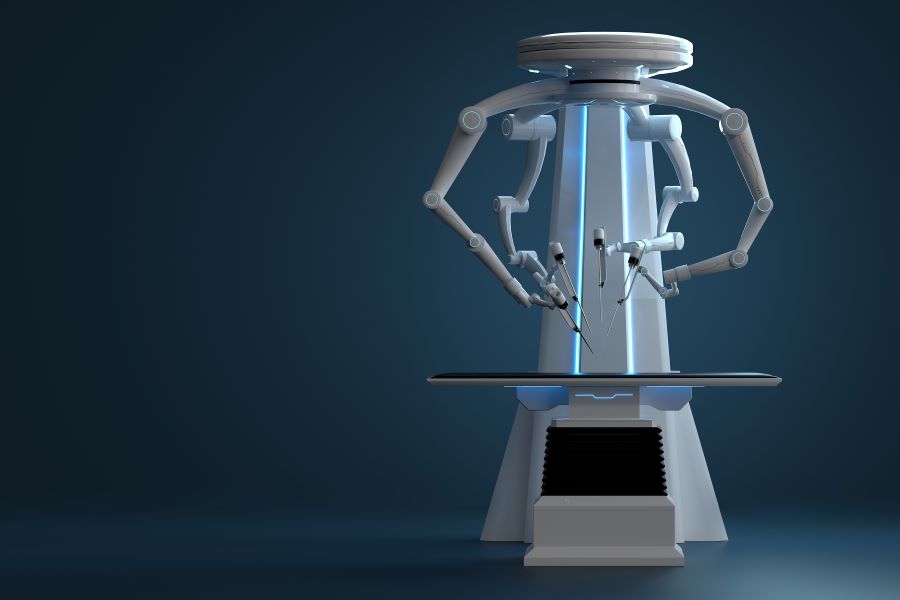
🏥 Robot-Assisted Surgery – A Medical Innovation at Synphaet Lamlukka Hospital
What Is Robotic Surgery Technology?
Robotic surgery, or Robotic Surgery, is a medical innovation that empowers surgeons to operate with enhanced precision and efficiency—especially in hard‑to‑reach or complex areas such as cancer treatment and knee replacement surgery.
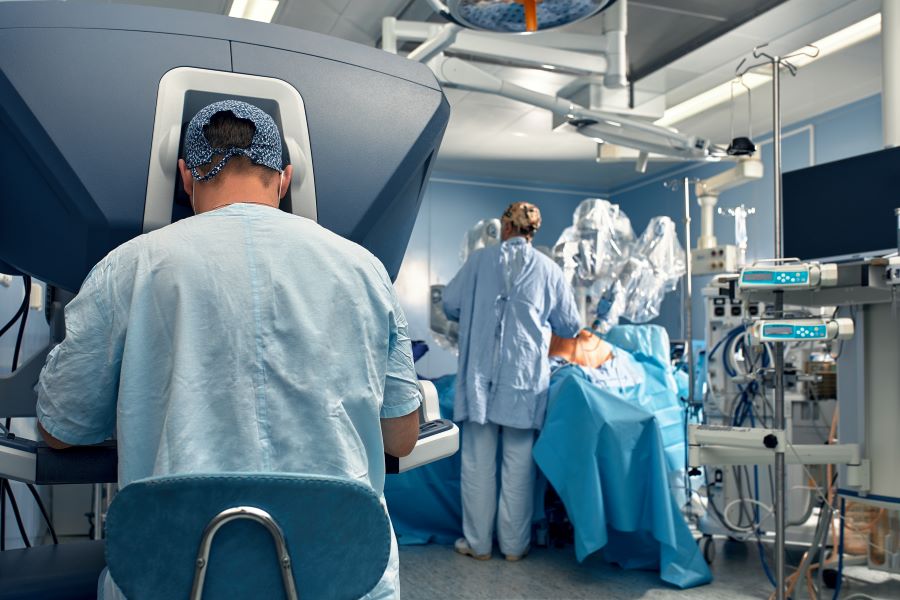
Despite common misconception, robotic-assisted procedures are not automated surgeries without doctors. Instead, they serve as advanced tools used by skilled surgeons. The surgeon remains fully in control during the operation, using the robotic system as a precise extension guided by their expertise.
Components of the Robotic Surgical System
The robotic surgery system comprises three key elements:
- Surgeon Console – The surgeon controls the robotic arms via a high-definition screen that displays the patient’s anatomy in detail.
- Instrument System – The robotic arms equipped with surgical instruments replicate the surgeon’s hand movements with greater dexterity and range of motion, enabling precise access to complex or difficult areas.
- Imaging & Display System – The system provides high-resolution 3D visuals (up to 10× magnification), allowing the surgeon to see tiny nerves and blood vessels clearly and operate with exceptional accuracy.
Benefits of Robotic Surgery
Robotic surgery is increasingly favored for its proven advantages:
- Greater precision and stability – Robotic arms move more steadily and rotate in ways human hands cannot, enabling precise operations in tiny spaces.
- Minimally invasive incisions – Compared to open surgery, robotic-assisted procedures cause smaller wounds, minimal bleeding, and quicker recovery.
- Enhanced visualization – Surgeons operate with high-definition 3D imagery, offering depth perception and up to 10× zoom for accurate navigation near delicate structures.
- Reduced postoperative pain – Less tissue trauma leads to faster healing and quicker return to daily life.
Shorter surgery time – Complex procedures can be performed more quickly and safely.
Common Applications of Robotic Surgery
Today, robotic-assisted surgery is applied across many fields at the discretion of specialized surgeons. Popular procedures include:
- Cardiovascular surgery
- Gastrointestinal procedures
- Cancer operations
- Knee replacement surgery
- Gynecological surgeries (e.g., hysterectomy, pelvic organ prolapse)
- Respiratory and thoracic surgeries
How to Prepare for Robotic Surgery
Once robotic surgery is indicated, patients undergo a full preoperative evaluation—medical history review, urine and blood tests, and other necessary assessments—to ensure safety post-surgery. Although minimally invasive, robotic procedures still carry risks and may not be suitable for all patients.
Robotic surgery enhances treatment outcomes, lowers risk of postoperative complications, and enables patients to resume normal life within 1–2 days.
For more information or to schedule a robotic-assisted surgery consultation, please contact Synphaet Lamlukka Hospital Call Center 02‑006‑9999.