





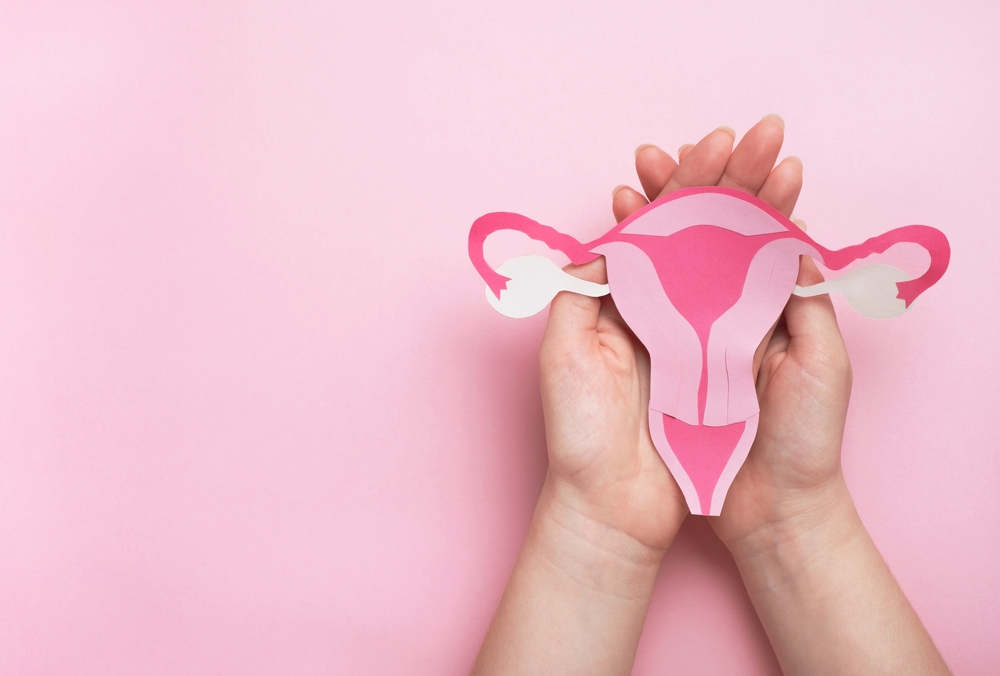
Learn about estrogen, symptoms of hormone imbalance, and effective tips to manage hormonal changes in women’s health.
Why are female hormones important and what are their functions?
Inside our body, there are substances called “hormones” that play a vital role in controlling growth and development from infancy to old age. Each hormone has different functions. Today, let’s learn more about “female hormones,” which are essential for women to manage physical and emotional changes properly.
Understanding Female Hormones
The primary female hormone is called estrogen, produced by the ovaries. It stimulates the growth of the reproductive system, leading to changes in the female body during reproductive age such as:
- Wider hips
- Breast enlargement
- Hair growth in armpits and genital area
- Higher-pitched voice
In addition to its role in reproduction, estrogen also affects various bodily systems:
- Regulates cholesterol production in the cardiovascular system
- Helps maintain collagen in muscles, bones, and joints
- Works with the nervous system and brain to stabilize mood and emotions
Since female hormones impact many body systems, maintaining hormonal balance is crucial. Hormonal imbalances can lead to symptoms affecting physical and emotional well-being.
What Happens When Estrogen Is Too High?
- Irregular menstruation
- Difficulty sleeping
- Mood swings
- Premenstrual symptoms like bloating, weight gain, breast tenderness, and migraines
- Increased risk of fibroids in the uterus, ovaries, or breasts
What Happens When Estrogen Is Too Low?
- Difficulty sleeping
- Fragile bones prone to fractures
- Vaginal dryness and shrinkage

Factors Causing Hormonal Imbalance
- Aging causes changes in hormone levels
- Chronic stress
- Poor diet leading to nutrient deficiencies
- Certain medications
How to Manage Hormonal Changes
- Get enough sleep
Insufficient sleep can cause stress accumulation and excess cortisol production, interfering with estrogen regulation and leading to imbalance.
- Exercise regularly
Regular exercise helps naturally increase hormone levels. Aim for at least 30 minutes per session, 2–3 times a week. Choose activities like yoga, aerobics, swimming, cycling, or running.
- Eat a balanced diet
Sugary foods, high-fat diets, and alcohol affect hormone levels. A balanced diet helps restore hormone levels—add protein, reduce sugar and fat, and limit carbohydrate intake.
- Maintain a healthy weight
Being overweight or underweight can disrupt hormone production. Maintaining an optimal weight helps regulate hormones and support bodily functions effectively.
Consult with the Obstetrics and Gynecology Department at Synphaet Kanchanaburi Hospital. Our team of specialists is ready to assist you. Visit our Kanchanaburi OB-GYN Clinic for comprehensive women’s health services.
Book an appointment or call us at 034-912-888