




เมื่อหลอดเลือดสมองแตก จะทำให้เกิดเลือดคั่งอยู่ในเนื้อสมอง ไปกดเบียดเซลล์สมองให้ทำงานไม่ได้ และเกิดเซลล์สมองตายในที่สุด ในบางรายก้อนเลือดอาจมีขนาดใหญ่มาก จนทำให้ความดันภายในกระโหลกศีรษะสูงมาก และเสียชีวิตได้
Hemorrhagic Stroke
When a blood vessel in the brain ruptures, accumulated blood forms a hematoma within the brain tissue, exerting mechanical pressure on brain cells and disrupting their function, which ultimately leads to cell death (infarction). In severe cases, a large hematoma can significantly increase intracranial pressure, posing an immediate risk of fatality.
Causes of Hemorrhagic Stroke
The majority of cases result from chronic hypertension that is poorly controlled, often compounded by contributing factors that accelerate arterial degeneration and lead to the rupture of cerebral microvessels.
Symptoms of Hemorrhagic Stroke
Clinical manifestations typically begin with an acute, severe headache or sudden dizziness, followed by altered mental status, drowsiness, unilateral limb weakness (hemiparesis), and slurred speech (dysarthria). Seizures or loss of consciousness may also occur.
Diagnostic Evaluation for Hemorrhagic Stroke
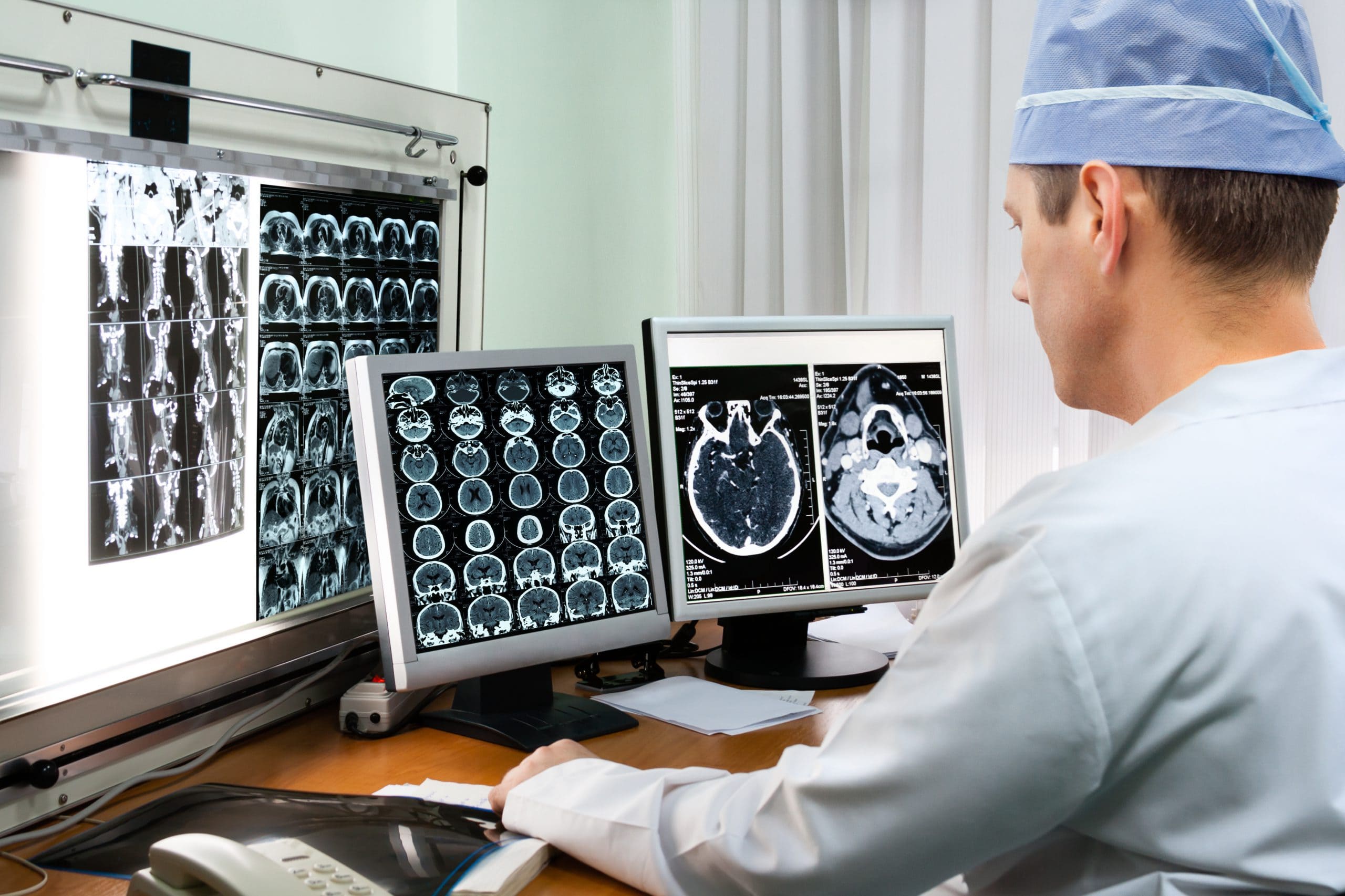
Immediate medical attention from a specialized medical team is critical. An emergency non-contrast brain Computed Tomography (CT Scan) is the cornerstone of diagnosis, and supplementary neuroimaging studies may be conducted to determine the specific vascular etiology of the intracerebral hemorrhage.
Treatment for Hemorrhagic Stroke
Management depends on the anatomical location of the hemorrhage and the volume of the hematoma. Large hematomas causing significant mass effect require neurosurgical intervention to relieve pressure on vital structures, particularly the brainstem, which can otherwise cause rapid clinical deterioration and death. A neurosurgeon evaluates the necessity and approach for surgical decompression or hematoma evacuation. Current advanced surgical techniques utilize high-power operative microscopes (microsurgery), enabling surgeons to visualize intracranial structures with high precision, improving surgical outcomes, and minimizing complications. Postoperative care entails antiedema medications to reduce cerebral edema, strict blood pressure control, and comprehensive, ongoing rehabilitation—including physical therapy and occupational therapy to promote neurological recovery.