




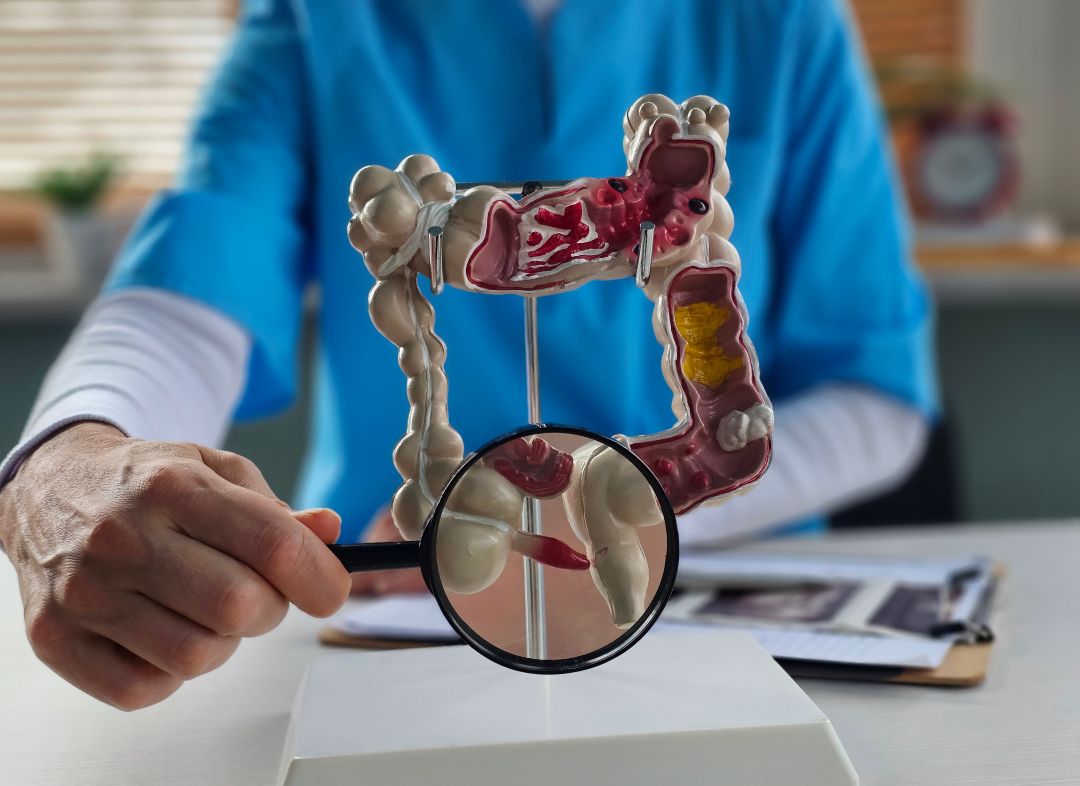
What Is the Appendix?
The appendix is a small, tube-shaped internal organ located at the lower right end of the large intestine.
Mechanism of Appendicitis
Appendicitis occurs when food debris, stool, or even parasites block the appendix, causing bacterial buildup and inflammation. This results in sudden, severe abdominal pain.
A ruptured appendix is a medical emergency requiring urgent treatment. Bacteria may spread into the abdominal cavity, causing peritonitis, which can lead to sepsis and be life-threatening. The standard treatment is appendectomy—surgical removal of the appendix. Removing the appendix does not affect body function. Appendicitis is common in people aged 10–30.
Symptoms of Appendicitis
Appendicitis can occur in all genders and ages, especially under 30. Symptoms may resemble regular stomach pain, so self-monitoring is important. The progression typically includes:
- Initial blockage of the appendix causes vague abdominal pain near the navel or general discomfort
- Pain gradually worsens over 6 hours as inflammation increases
- May mimic diarrhea but no bowel movement, along with nausea, vomiting, fever, and appetite loss
- Severe, constant pain in the lower right abdomen, may become unbearable or limit movement
- If untreated, the infection may form an abscess within 3 days
- Eventually, rupture leads to infection in the abdominal cavity, high fever, dry mouth, exhaustion, and possible death
Diagnosis
Doctors will take a history, conduct a physical exam, and order blood and urine tests. Imaging such as ultrasound or CT scans may be used for accurate diagnosis.
Appendectomy
If diagnosed with appendicitis, surgery to remove the inflamed appendix should be done promptly, along with antibiotics.
Types of Appendectomy
- Open Appendectomy: An incision is made in the lower right abdomen to remove the appendix
- Laparoscopic Surgery: Also called MIS (Minimally Invasive Surgery), involves smaller incisions, less pain, faster recovery, and greater surgical precision via camera-guided visuals
Appendectomy via Laparoscopic Surgery or MIS

Today, advancements in surgical technology have made laparoscopic appendectomy less invasive with smaller incisions and faster recovery.
In laparoscopic appendectomy, small incisions are made near the navel to insert a camera into the abdomen. The surgeon identifies the inflamed appendix, cuts off its blood supply, removes it, and closes the tiny incisions (1–2 cm). The procedure provides a clear, magnified view of the surgical site for high precision.
Post-Surgery Care
Patients should:
- Start with soft, easily digestible foods
- Get adequate rest
- Attend