




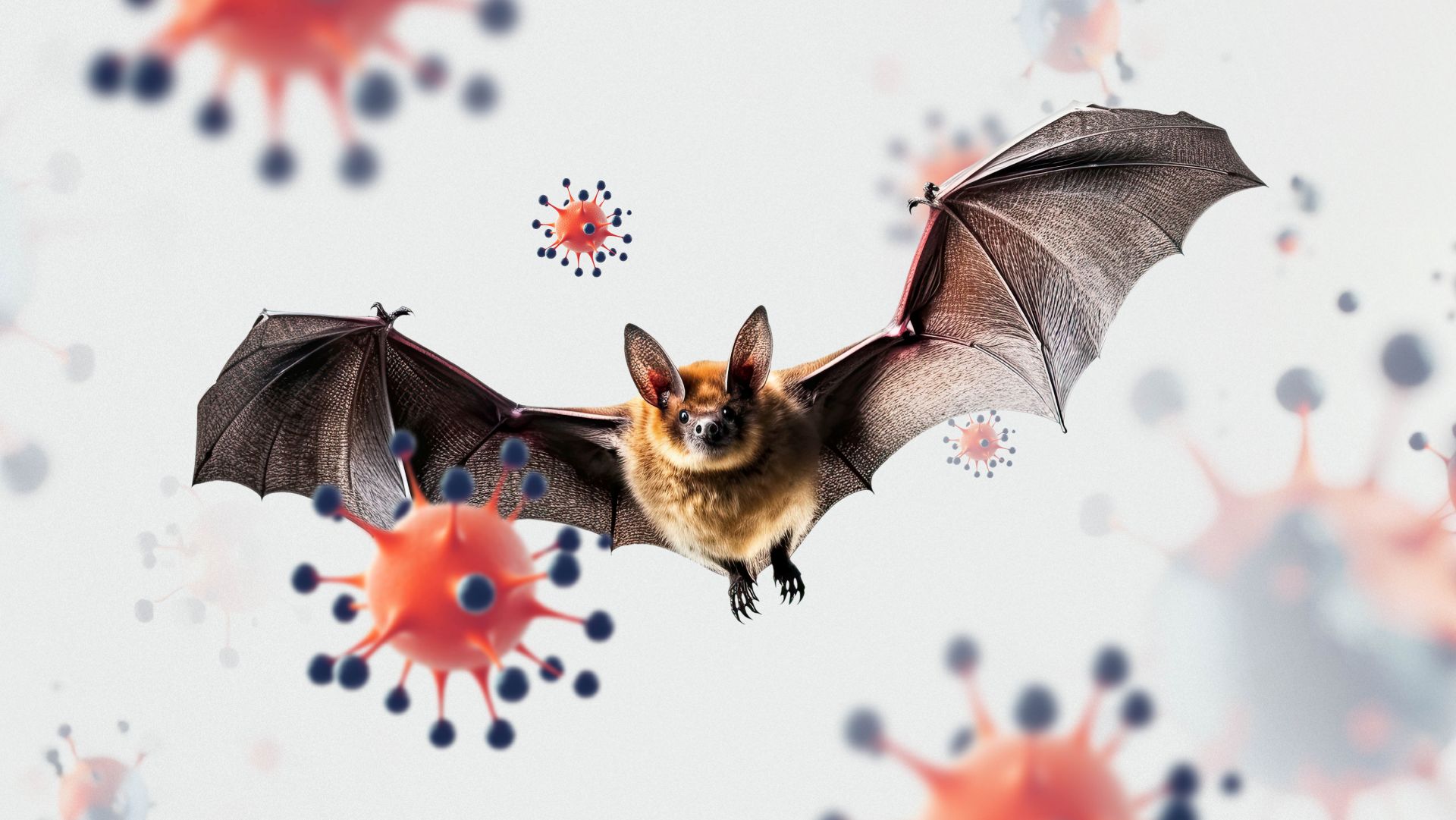
From recent news of a Nipah virus outbreak in India, with confirmed cases in West Bengal and quarantine measures for close contacts to control the spread
Although Thailand has never reported human infections before, it is important to understand this serious virus for proper surveillance and prevention
What is Nipah virus disease?
Nipah virus disease (Nipah Virus Infection) is a highly severe zoonotic infectious disease caused by the Nipah virus, a member of the Henipavirus genus. The first outbreak was reported in Malaysia in 1998. It is classified by the World Health Organization as a disease requiring close monitoring due to its high mortality rate and the absence of a specific vaccine.
How is Nipah virus transmitted?
This virus has a natural reservoir in fruit bats. The virus is present in bat urine, feces, and saliva, and spreads mainly through three primary routes:
- Animal-to-human transmission through direct contact with infected animals such as pigs, horses, goats, or cats that acquired the virus from fruit bats
- Human-to-human transmission through close contact with bodily fluids of infected individuals, such as saliva, sputum, or urine
- Consumption of contaminated food such as drinking raw palm sap contaminated with the virus or eating fruit partially eaten by bats
What are the symptoms of Nipah virus disease?
The incubation period is approximately 4–14 days. After that, patients begin to show symptoms, which can be divided into three stages:
- Initial stage High fever, headache, muscle pain, fatigue, nausea, vomiting, sore throat, and cough
- Neurological stage Drowsiness, dizziness, confusion, muscle twitching, seizures, and loss of consciousness
- Severe stage with respiratory complications Some patients may develop acute respiratory failure, abnormal blood pressure, and may progress to death
The mortality rate of this disease is as high as 40%–75%. Approximately 20% of survivors may experience permanent neurological complications.
How is Nipah virus disease diagnosed?
- Laboratory testing using RT-PCR from throat swabs, nasal secretions, urine, or cerebrospinal fluid, or antibody testing
- Brain imaging using MRI or CT scan
How is Nipah virus disease treated?
Currently, there is no specific antiviral medication or vaccine for this virus. Treatment is therefore supportive, focusing on symptom management and reducing neurological and respiratory complications.
How can Nipah virus disease be prevented?
- Avoid contact with bats, sick animals, or animal carcasses
- Avoid traveling to areas with active outbreaks
- Wash fruits and vegetables thoroughly before consumption, and avoid eating fruit or drinking palm sap that may be contaminated
- Wash hands frequently
- Use personal protective equipment when caring for infected patients or high-risk animals