Did you know? Vascular disease can be considered a “silent threat” that develops gradually without noticeable symptoms. Blood vessels are a vital system responsible for delivering blood and oxygen to organs throughout the body. When vascular abnormalities occur, such as arterial narrowing, blockages, or aneurysms, leaving them untreated may lead to organ damage or loss. If these conditions affect critical organs such as the brain or heart, they can become life-threatening within moments.
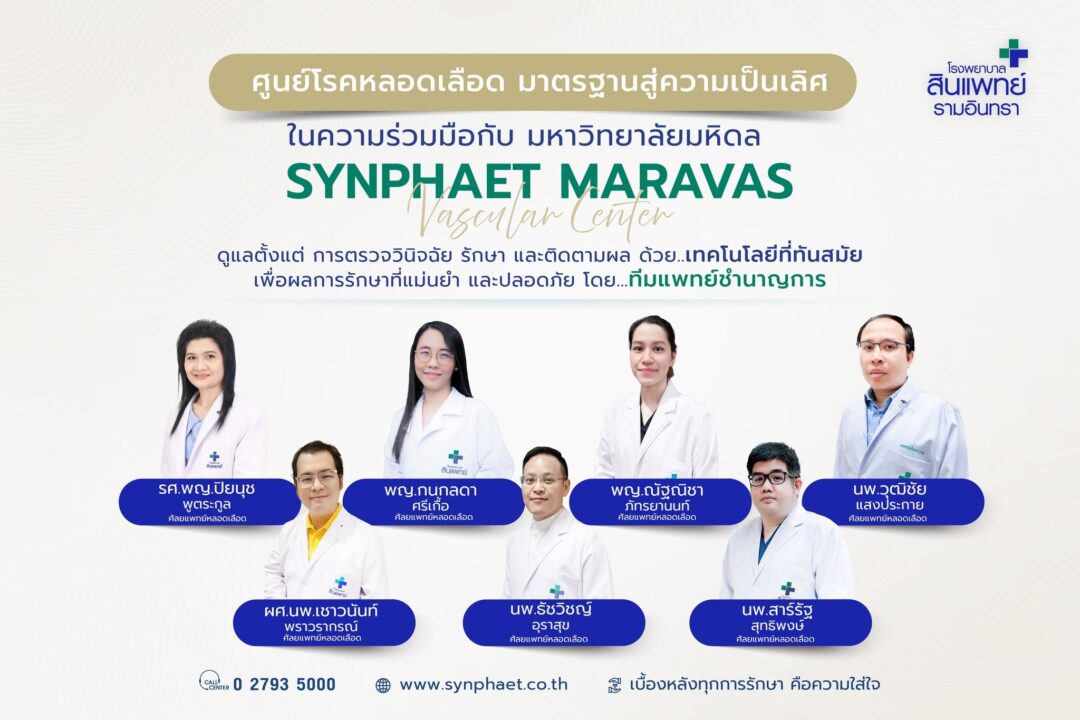
Synphaet Ram Inthra Hospital, through a collaboration between Synphaet Hospital and Mahidol University, has established the Synphaet Maravas Vascular and Kidney Transplant Center. The center combines advanced medical expertise, specialized knowledge, and state-of-the-art technology to provide comprehensive prevention, diagnosis, and treatment of vascular diseases according to international standards. Patients receive care from experienced vascular surgeons and multidisciplinary specialists, covering everything from risk assessment and diagnostic evaluation to medication, catheter-based interventions, and advanced surgical procedures.
Warning Signs: When Should You Suspect Vascular Disease?
Do not wait until it is too late. If you or a loved one experiences any of the following symptoms, seek evaluation by a vascular specialist as soon as possible.
- Peripheral Arterial Disease (PAD): Calf or leg pain while walking that improves with rest, cold feet, numbness, or chronic wounds on the feet and toes that heal slowly.
- Stroke: Sudden weakness or numbness on one side of the body, facial drooping, slurred speech, dizziness, loss of balance, or vision abnormalities.
- Venous Thrombosis and Varicose Veins: Swelling in one leg, calf pain or tightness, visibly enlarged varicose veins, darkened skin around the ankles, or chronic leg ulcers.
- Aortic Aneurysm: A pulsating abdominal mass or unusual abdominal and back pain.
Accurate Diagnosis with International Standard Technologies
- ABI (Ankle-Brachial Index): Evaluates arterial hardening and blockages by comparing blood pressure readings in the arms and legs.
- Carotid Duplex Ultrasound: Ultrasound examination of the carotid arteries to assess stroke risk.
- Doppler Ultrasound for Varicose Veins: Evaluates venous blood flow and detects abnormalities related to varicose veins.
- CT Angiography (CTA): High-resolution computed tomography imaging of blood vessels.
- Magnetic Resonance Angiography (MRA): Advanced magnetic resonance imaging for detailed vascular assessment.
Advanced Treatments: Smaller Incisions, Less Pain, Faster Recovery
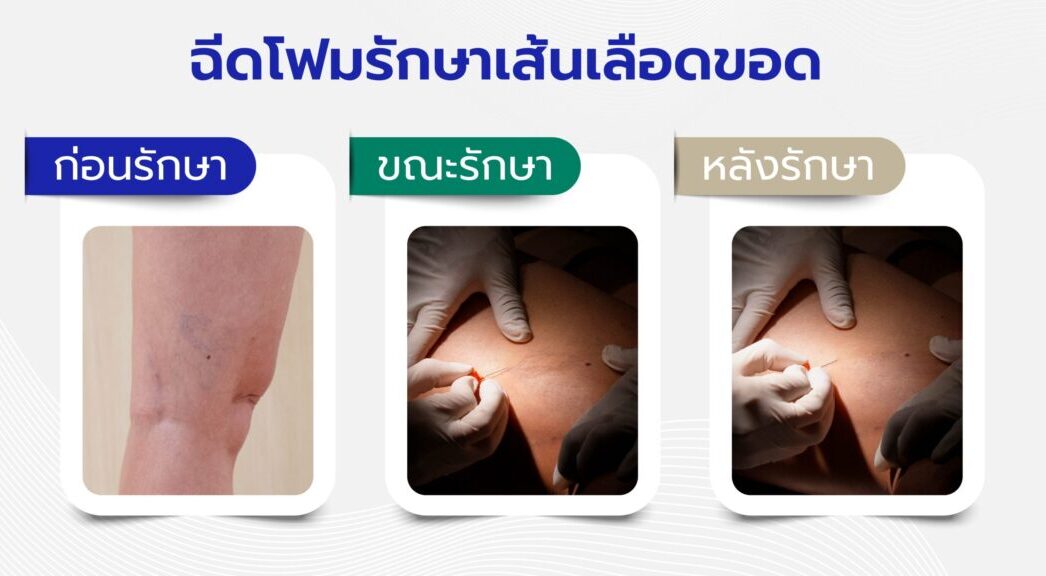
- Foam Sclerotherapy: A non-surgical treatment for varicose veins using medical foam injections.
- Radio Frequency Ablation (RFA): Minimally invasive treatment for varicose veins using radiofrequency energy, resulting in smaller wounds, less discomfort, and quicker recovery.
- Balloon Angioplasty & Stent: Opens narrowed arteries using a balloon catheter and stent placement to improve blood flow.
- Vascular Access (AVF and AVG): Creation of dialysis access for patients with chronic kidney disease by experienced vascular surgeons.
Why Choose Synphaet Ram Inthra for Vascular Care?
- National-Level Collaboration: Excellence Center standards through collaboration with Mahidol University.
- Comprehensive Vascular Care: Services ranging from screening and diagnosis to treatment and rehabilitation.
- Expert Vascular Surgery Team: Care provided by highly experienced vascular surgeons and multidisciplinary specialists.
- Minimally Invasive Technology: Reduced need for open surgery with smaller incisions, less pain, and faster recovery.
Frequently Asked Questions (Q&A)
Do vascular diseases occur only in older adults?
Not necessarily. Individuals with risk factors such as diabetes, high blood pressure, high cholesterol, or smoking can also develop vascular diseases.
If I have no symptoms, should I still undergo vascular screening?
If you have risk factors, screening can help detect vascular abnormalities at an early stage and reduce the likelihood of serious complications in the future.
Can untreated varicose veins become dangerous?
Yes. If left untreated for a prolonged period, varicose veins may lead to skin discoloration, chronic ulcers, or deep vein thrombosis (DVT). In severe cases, blood clots can travel to the lungs and become life-threatening.
Q7WZi2HXt3w” target=”_blank” rel=”noopener”>
WZi2HXt3w/maxresdefault.jpg” alt=”Click to watch the introduction video of the SYNPHAET MARAVAS Vascular Center” width=”560″ />
🎬 Click here to watch the introduction video of the SYNPHAET MARAVAS Vascular Center






 Doctor Schedule

 Pricing