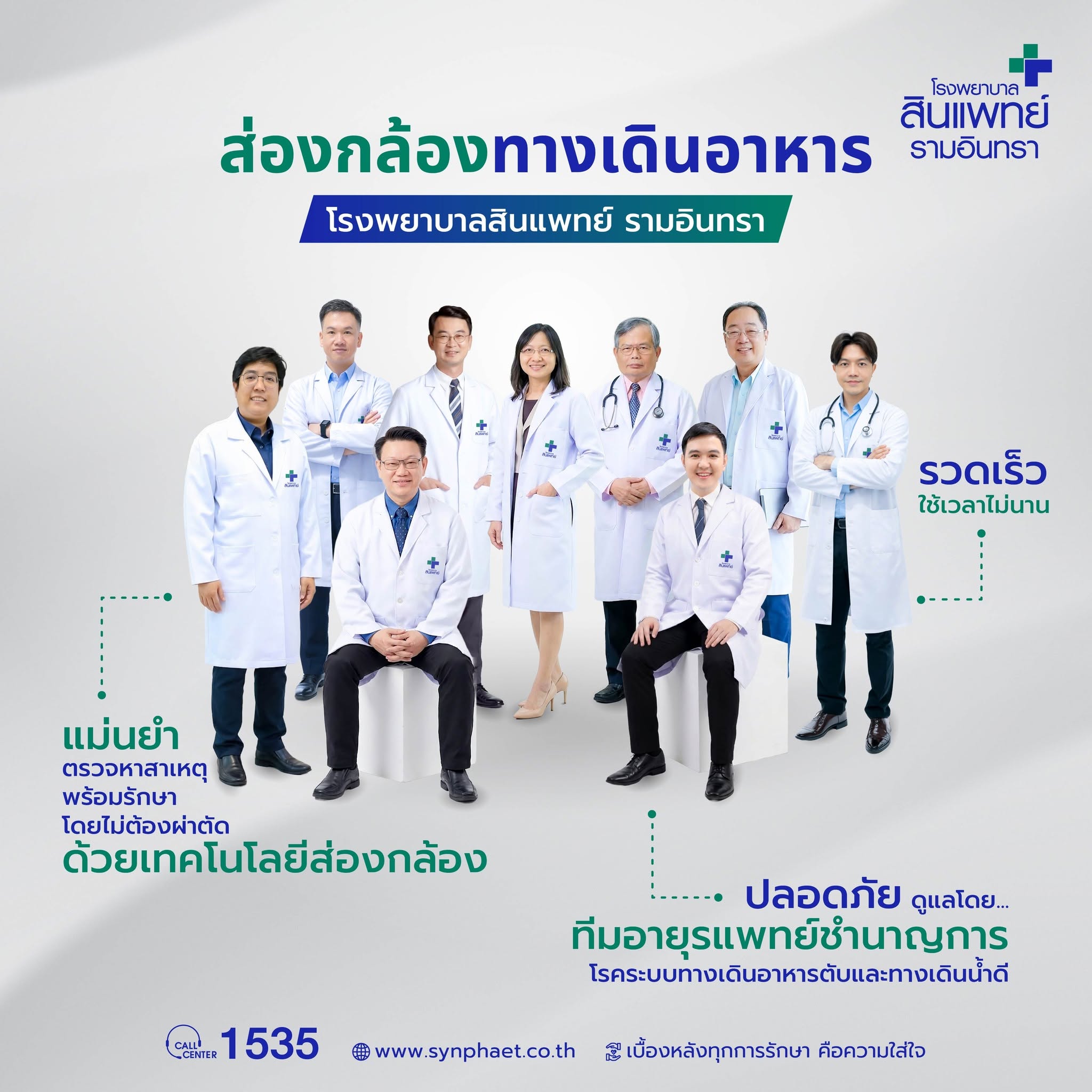
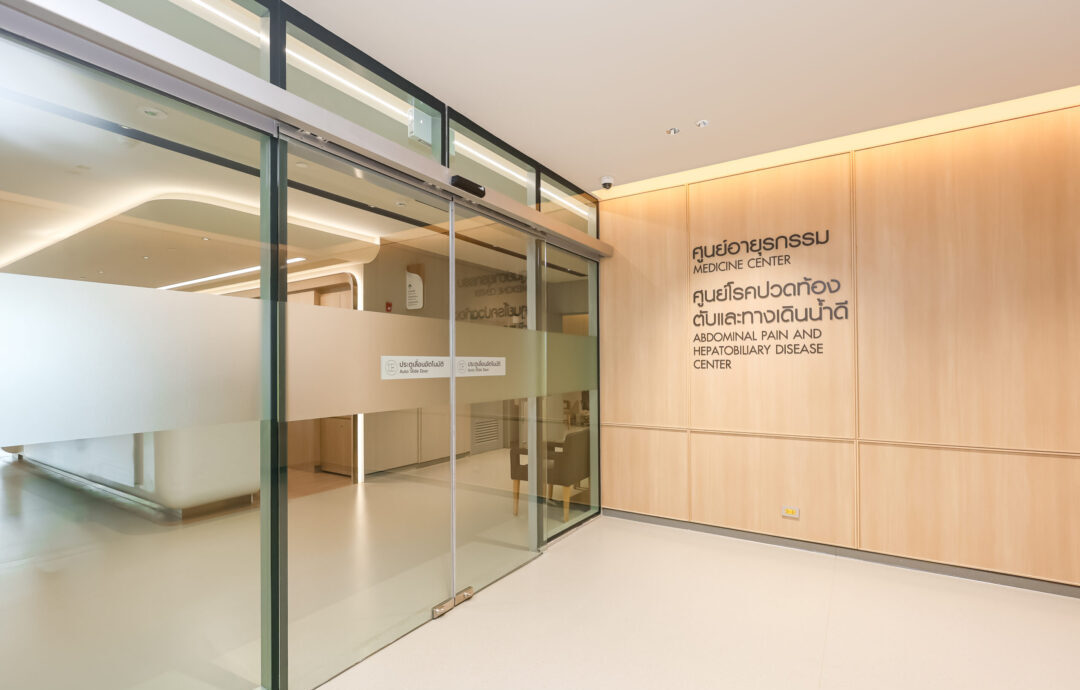
Gastrointestinal, Liver, Pancreatic, and Biliary Disease Center, Synphaet Hospital Ramintra
Frequent Stomach Pain, Chronic Bloating… Don’t Let These Warning Signs Turn Into a Serious Illness !!!
Diseases of the gastrointestinal system, liver, and biliary tract are among the most common diseases encountered in daily life. Many people often overlook them, thinking they are just simple indigestion or minor stomach aches. In reality, these symptoms can be early warning signs of serious conditions. Without proper diagnosis and treatment, they can progress, leading to complications or gastrointestinal cancer.
Gastrointestinal, Liver, Pancreatic, and Biliary Disease Center (Gastrointestinal & Liver Center) or Abdominal Pain Center, Synphaet Hospital Ramintra
is ready to provide comprehensive gastrointestinal care by a team of specialized gastroenterologists and hepatologists, collaborating with an experienced multidisciplinary team using advanced diagnostic and treatment technology. This ensures that patients receive appropriate care, from finding the cause and planning treatment to continuous follow-up.
What symptoms should prompt you to consult a gastroenterologist?
These abnormal symptoms may be warning signs of problems in your gastrointestinal tract, liver, or biliary system:
- Gastrointestinal symptoms
- Chronic abdominal pain
- Bloating, abdominal fullness, indigestion
- Heartburn (Acid reflux)
- Frequent nausea and vomiting
- Chronic diarrhea
- Abnormal constipation
- Blood in stool or black stool
- Liver and biliary symptoms
- Jaundice (Yellow skin and eyes)
- Abnormally dark urine
- Fatigue and loss of appetite
- Unexplained weight loss
- Pain under the right rib cage
- Abdominal swelling (ascites) and swollen legs
- Warning signs of serious illness or cancer
- Black or bloody stool
- Unexplained weight loss
- Difficulty swallowing
- Family history of gastrointestinal cancer
If you experience any of these symptoms, you should undergo an examination by a specialist to find the cause and receive appropriate treatment.
Precision and accuracy with international-standard diagnostic technology
- Gastroscopy (Upper Gastrointestinal Endoscopy)
Examining the esophagus, stomach, and duodenum to search for ulcers, bleeding, tumors, or cancer.
- Colonoscopy and Flexible Sigmoidoscopy
Examining the large intestine and rectum to detect polyps, colon cancer, and inflammatory bowel disease.
- Capsule Endoscopy
Swallowing a camera capsule to examine the small intestine in locations that are difficult for conventional endoscopes to reach.
- Computed Tomography Colonoscopy (CT Colonography)
Examining the large intestine using 3D computed tomography (CT scan).
- Double Contrast Barium Enema
Evaluating the structure and abnormalities of the large intestine.
- 24-Hour pH Monitoring
Measuring acid reflux over 24 hours for patients with chronic acid reflux symptoms.
- Fibroscan
Assessing liver cirrhosis and fatty liver disease using shear wave technology similar to ultrasound.
- ERCP (Endoscopic Retrograde Cholangiopancreatography)
Performing endoscopy to diagnose and treat abnormalities of the biliary tract and pancreas, such as gallstones obstructing the bile duct.
Effective tools and treatment methods
- Medication and behavioral adjustment
For peptic ulcer disease, acid reflux, irritable bowel syndrome, inflammatory bowel disease, and liver disease.
- Endoscopic Treatment
Such as stopping internal bleeding in the digestive tract and removing colon polyps, reducing the need for major surgery.
- ERCP for treatment
Treating gallstones in the bile duct or bile duct obstruction without requiring open abdominal surgery.
Why choose the Gastrointestinal & Liver Center at Synphaet Hospital Ramintra?
- ✅ Comprehensive care for all gastrointestinal, liver, pancreatic, and biliary diseases
From health screenings, diagnosis, and treatment to follow-up care.
- ✅ Team of gastrointestinal and liver specialists
Experienced in managing both common and complex conditions.
- ✅ Advanced endoscopic and diagnostic technology
Increasing precision, reducing risks, and helping design targeted treatment plans.
- ✅ Care by a multidisciplinary team
Doctors, nurses, nutritionists, and related specialists collaborating for holistic patient care.
- ✅ Personalized treatment plans
Tailoring treatment to the specific cause and individual needs of each patient.
Q&A Frequently Asked Questions
Is it necessary to see a doctor for frequent stomach pain?
If you have regular, ongoing stomach pain or experience accompanying symptoms such as unexplained weight loss, blood in stool, or unusual fatigue, you should consult a doctor promptly to find the cause.
Is fatty liver disease dangerous?
If left untreated for a long time, it can progress to hepatitis, liver cirrhosis, and increase the risk of liver cancer.
Is treatment necessary for acid reflux?
Yes, if you experience chronic symptoms, you should be evaluated by a doctor because it can have long-term adverse effects on your esophagus.
Who should undergo colon cancer screening?
Individuals over 45 years of age, those with a family history of colon cancer, patients with chronic inflammatory bowel disease, those with a history of colon polyps, or individuals who have undergone pelvic radiation therapy should consult a doctor to plan screening.
Is undergoing a gastroscopy or colonoscopy painful?
Currently, under the supervision of a physician, sedatives or anesthetics can be administered, making patients feel much more comfortable and relaxed during the procedure.
Is a Fibroscan painful? Who should undergo this test?
A Fibroscan is completely painless. It uses acoustic waves similar to an ultrasound, takes about 5 minutes, and provides immediate results. It is ideal for regular alcohol drinkers, obese or overweight individuals, diabetic patients, and those at risk of fatty liver or liver cirrhosis.
🎬 Frequent stomach pain is not normal. Check the warning signs and organs to watch out for.

Click here to watch a video recommendation from specialized doctors at Synphaet Hospital Ramintra






 Doctor Schedule

 Pricing