





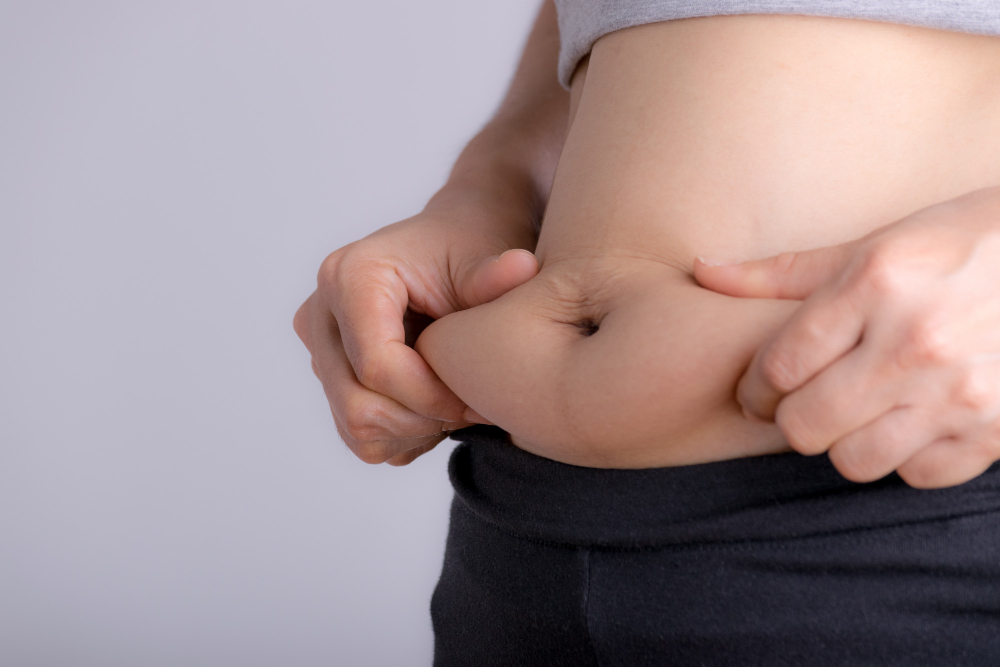
5 Quick Ways to Lower Blood Lipids Through Diet Lifestyle
In today’s changing lifestyles, poor diet and lack of exercise are continuously on the rise, leading to high blood lipids, a silent threat to global health. This condition often shows no clear symptoms in its early stages, but if left untreated, it can lead to serious health problems such as heart and vascular disease, stroke, and other life-threatening complications. Therefore, it’s time to take health seriously with quick and easy ways to lower blood lipids that people of all ages can adapt into their daily lives. Changing lifestyle habits, especially choosing the right food and exercising regularly, are key factors in managing this problem.
First, Let’s Understand: What Causes High Blood Lipids?
Blood lipids, also known as lipids, come in several types, each with a different role in the body. Having too much of some lipids or too little of others can indicate high blood lipids, a major risk factor for cardiovascular disease.
– LDL (Low-Density Lipoprotein) Cholesterol or “Bad” Fat
This cholesterol transports fat to the artery walls, causing plaque buildup and narrowing of the arteries, which can lead to heart and vascular disease. The higher the LDL level, the greater the risk.
– HDL (High-Density Lipoprotein) Cholesterol or “Good” Fat
This functions to carry excess cholesterol from cells throughout the body back to the liver for removal. High HDL levels help reduce the risk of heart disease.
– Triglycerides
This is another type of fat found in the blood that the body uses for energy. If triglyceride levels are too high, along with low HDL or high LDL, the risk of heart disease and pancreatitis increases.
The causes of high blood lipids are multifactorial, including genetics, a diet high in saturated and trans fats, lack of exercise, being overweight or obese, smoking, excessive alcohol consumption, and certain underlying conditions like diabetes and kidney disease.
Is Diet Really the Heart of High Blood Lipids?
Diet is a crucial factor affecting blood lipid levels, serving as both a primary cause of high lipids and a means for a quick and sustainable reduction. Consuming foods high in saturated fats (fatty meats, dairy products) and trans fats (processed foods, fried foods) can directly increase LDL cholesterol and triglyceride levels. Conversely, choosing healthy foods like vegetables, fruits, whole grains, fatty fish, and unsaturated fats can help lower LDL and triglycerides and increase HDL, greatly benefiting cardiovascular health. Therefore, dietary control is the heart of managing blood lipids.
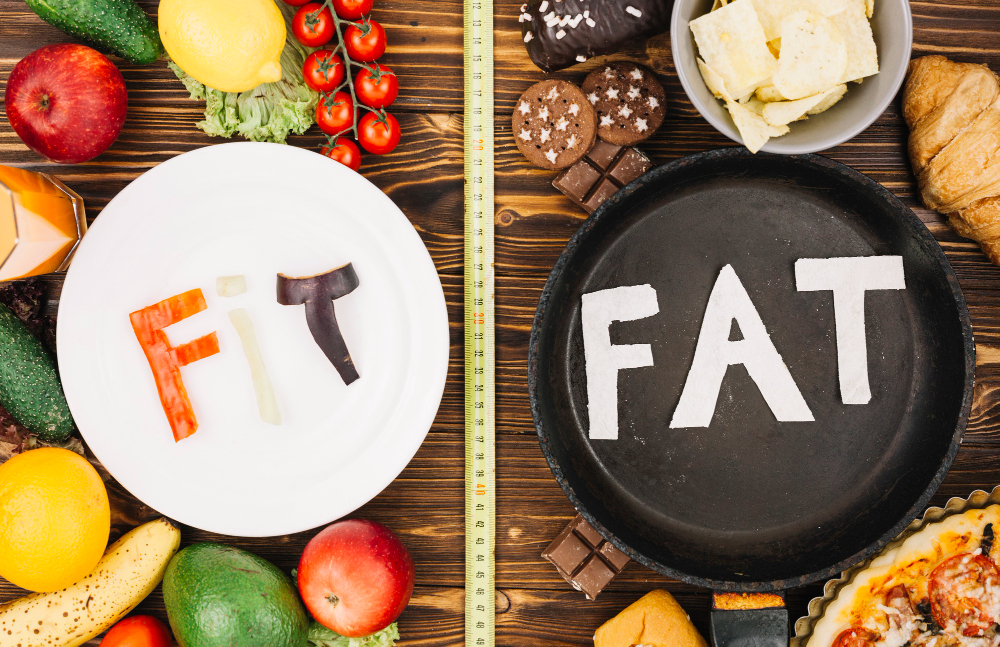
How to Lower Blood Lipids Through Diet
Changing eating habits is a quick and effective way to lower blood lipids, focusing on heart-healthy food choices.
Fish
Deep-sea fish like salmon, mackerel, sardines, and tuna are sources of omega-3s, an unsaturated fat that helps lower blood triglyceride levels, reduce inflammation, and slightly increase HDL cholesterol. You should eat fish at least twice a week.
Low-Fat Milk
Milk and dairy products are good sources of calcium and protein, but regular dairy products are high in saturated fat. Choosing low-fat milk or low-fat dairy products like low-fat yogurt helps reduce saturated fat intake, an easy and quick way to lower blood lipids.
Certain High-Fiber Vegetables and Fruits
Vegetables and fruits are sources of vitamins, minerals, and antioxidants. Importantly, they are high in dietary fiber, found in oats, beans, apples, oranges, and prunes. Fiber helps reduce cholesterol absorption from the intestine into the bloodstream, making it a quick and natural way to lower blood lipids.
Use Soybean-Based Oil
The type of cooking oil used is another quick way to lower blood lipids. Choose oils high in unsaturated fats, such as soybean oil, canola oil, olive oil, or rice bran oil, instead of oils high in saturated fats like lard or palm oil.
Eat Steamed, Grilled, and Baked Foods
Cooking methods are just as important. Avoid frying and sautéing that use a lot of oil. Instead, use cooking methods like steaming, grilling, or baking, which significantly reduce the amount of fat your body consumes. This is a direct and quick way to reduce bad fats in your food.

What Are Other Quick Ways to Lower Blood Lipids?
Besides changing eating habits, there are other quick ways to lower blood lipids that can be done concurrently for the best results:
– Exercise Regularly
At least 150 minutes of aerobic exercise per week (e.g., brisk walking, running, swimming) can help increase HDL and lower LDL and triglyceride levels.
– Maintain a Healthy Weight
Losing even a small amount of excess weight can have a significant positive impact on blood lipid levels, especially by lowering triglycerides and increasing HDL.
– Avoid Smoking and Reduce Alcohol Consumption
Smoking damages blood vessels and lowers HDL levels. Quitting smoking helps HDL increase rapidly. Drinking too much alcohol raises triglyceride levels.
– Manage Stress
Chronic stress can affect cholesterol levels. Finding ways to manage stress, such as meditation, yoga, or other relaxation activities, is a quick way to lower blood lipids and promote overall health.
Conclusion
High blood lipids is a condition that requires serious attention and immediate management. Changing lifestyle habits, especially choosing a healthy diet, exercising regularly, controlling weight, and avoiding risky behaviors, are quick and sustainable ways to lower blood lipids. Importantly, if you are diagnosed with high blood lipids, you should consult a doctor to plan appropriate and continuous treatment. This will help you control your lipid levels, reduce the risk of serious complications, and maintain a high quality of life for a long time.